Benzodiazepines Rehab: Knowing When To Go

Benzodiazepines Rehab

The important thing about addiction treatment, regardless of the substance involved, is to know when to get help. If you or your loved one is battling a benzodiazepine addiction, don’t wait to seek professional help. Benzodiazepines are an incredibly addictive prescription pill. Unfortunately, just because a doctor prescribes it doesn’t mean it isn’t addictive or harmful to the body and mind.

It’s very easy to build a benzodiazepine tolerance, meaning it’s likely that when you become addicted you are constantly increasing your dosage. If you are unsure you or someone you know needs professional treatment for a benzodiazepine addiction, keep reading to learn more. 

What Are Benzodiazepines?

Benzodiazepines, also known as benzos, are a popularly prescribed medication. Benzos are tranquilizers used to treat several medical conditions, including anxiety, panic, seizure, alcohol withdrawal, epilepsy, depression, and insomnia. 

Commonly prescribed benzodiazepines include Valium, Xanax, Librium, and Ativan. 

How Benzodiazepines Work

Benzos suppress the nerves in the brain by enhancing the effect of gamma-aminobutyric acid (GABA) neurotransmitter. This neurotransmitter works to reduce brain activity by decreasing the activity of the nerves in the brain.

Are Benzodiazepines Addictive?

Benzodiazepine doesn’t pose a problem if an individual uses it for a short while. For example, if you’ve experienced a sudden death in the family and need an aide to cope with the next few days, you may be prescribed a benzo. It’s unlikely (though not impossible) that you would develop an addiction in the short time frame. However, after several months of use, benzodiazepines can become highly addictive because of the way it easily rewires brains

In many cases, people use benzodiazepines for a longer time than intended. After a while, the person may need to consume higher doses of the drug to get a particular high. If someone is prescribed a benzo and is unable to fill their prescription, they can find illegal ways to purchase the drug. 

Many abusers also combine benzodiazepines with other drugs to get euphoric feelings which always increase the chances of addiction.

What Is Benzodiazepines Withdrawal?

Benzodiazepine withdrawal occurs when the body begins to remove the drug usually when the person stops or reduces intake. When the body becomes addicted to benzodiazepines, the body won’t function well without the drug’s presence. As a result, quitting becomes very difficult.

Benzodiazepine withdrawal often comes with uncomfortable symptoms, and one of them is “rebound effects.” This means once a person tries to stop using, the symptoms an addict feels or treats start reoccurring at an elevated level. 

For example, since people use benzos to treat insomnia and anxiety, withdrawal symptoms make them experience even more severe insomnia and anxiety. Withdrawals are difficult to get through and getting treatment at a benzodiazepine rehab is the best bet, especially for detox. Detoxing from benzos can cause serious side effects and complications. It is strongly recommended that a person does not try to detox on their own. 

Benzodiazepine Addiction Treatment

The best way to overcome a benzodiazepine addiction is to seek help at a benzodiazepine rehab. During treatment, our clients will undergo detox, residential inpatient treatment, and be set up with aftercare services before they leave us.

The length of detox is different for everyone but generally lasts a week or so. During inpatient treatment, our clients participate in individual therapy, group therapy, 12-step support groups, and other wellness activities. 

Knowing When To Go To  Benzodiazepine Rehab

Benzodiazepine addiction can affect every aspect of one’s life negatively. The best way to get help is to seek treatment from professionals. During benzodiazepine rehab, you will safely rid your body from drugs and alcohol. You will then learn the proper coping skills needed to live a drug and alcohol free life.

If you or someone you love needs benzodiazepine treatment, contact us at Hillside Mission today. At Hillside Mission located in Orange County, we offer treatment for different forms of substance addiction and mental illnesses. 

Our staff is a team of addiction professionals who use evidence-based treatment approaches, and our serene environment will help with your recovery. Our facility is heavily focused on long-term recovery for our clients.  Get in touch with us today!
What Are the Symptoms of Cocaine Addiction?

What Are the Symptoms of Cocaine Addiction?

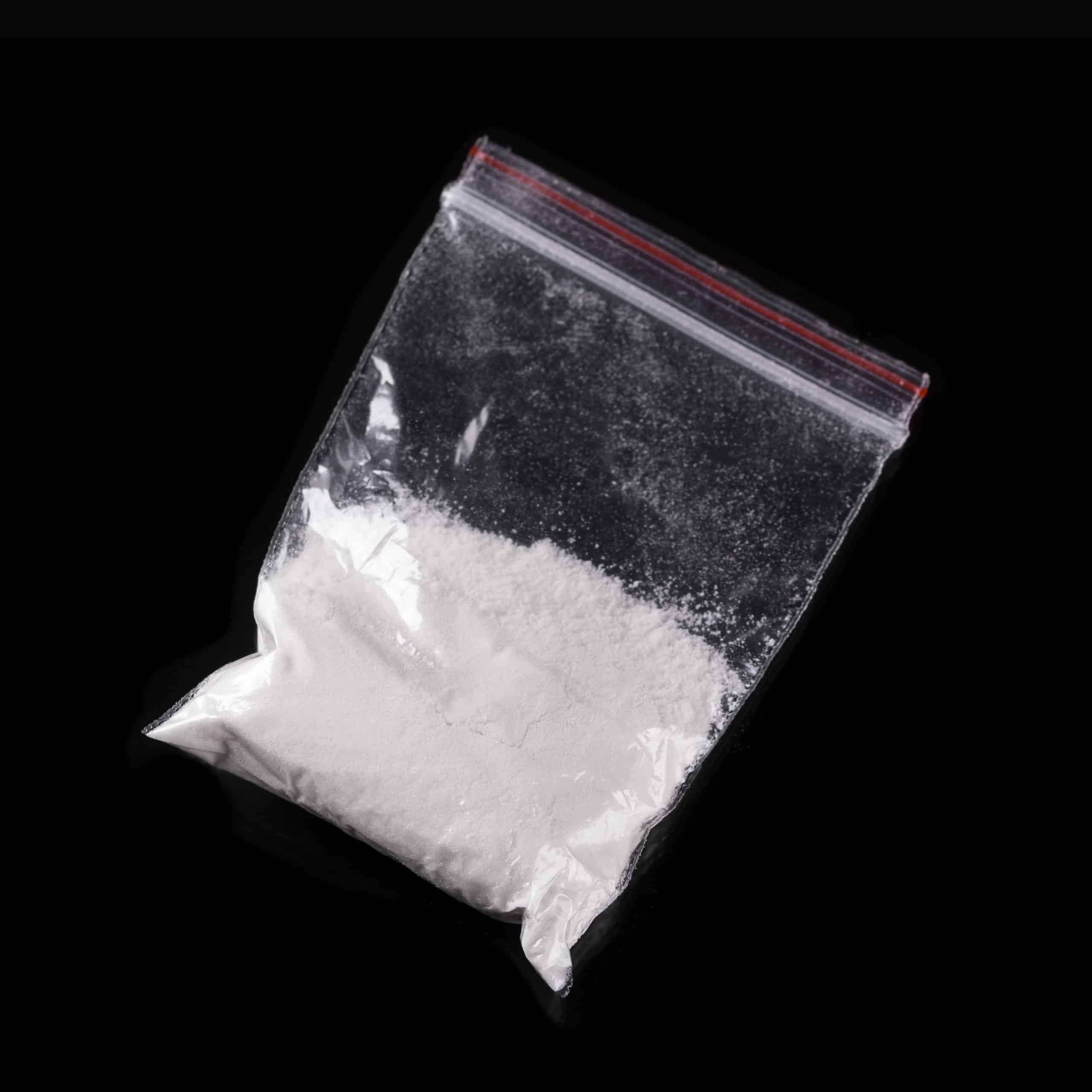
You have worries that your loved one is struggling with a cocaine addiction. The whitish powdery substance you have seen a few times on their nose has intensified your suspicion. They keep asking to borrow money and you don’t know what to say. In order to best help them, you’ll want to know more about cocaine, the possible symptoms of a cocaine addiction, and how to help someone struggling with a cocaine addiction. 

So, what are the symptoms of cocaine addiction?

Most cocaine addicts have trouble coming to terms with their addiction. It may be up to family and friends to observe for signs of cocaine use. Before we discuss the symptoms in-depth, let’s discuss why cocaine is addictive.

Cocaine Defined: Why Is Cocaine Addictive?

Cocaine is a highly addictive stimulant drug obtained from coca plant leaves of South America. It often comes in a white, powder form. 

Aside from its medical uses, cocaine is often abused for pleasure and energy; this abuse usually leads to addiction. The repeated consumption of cocaine affects the brain’s structure and function, which becomes visible through the symptoms.

How does one go from occasional cocaine use to being unable to let go, despite knowing that the long-term use is harmful? 

When cocaine is used either by snorting, injection, or smoking, it rushes to the brain through blood circulation. This then stimulates the release of the “feel-good” hormone, dopamine. It is this dopamine that gives the sought-after euphoric feeling – the cocaine high.

To relive the experienced extreme happy feelings, cocaine users keep using the drug. And within a short period, cocaine tolerance sets in, making them need a higher and regular amount to give them the same euphoria level. With time, they get addicted, and quitting becomes difficult. 

Symptoms of Cocaine Addiction

What are the symptoms of cocaine addiction? The downside to cocaine addiction is devastating. It usually begins as a need for peer approval, a leisure activity, and ends with great repercussions to both the users and their loved ones. 

So, people need to recognize the symptoms to get support or help their loved ones get clean if the need arises. Symptoms of cocaine addiction include:

  • Runny nose or chronic sniffing
  • Insomnia
  • Red eyes
  • Dilated pupils
  • Bursts of energy and euphoria
  • Mood swings
  • Restlessness
  • Overconfidence
  • Tiredness

This addiction affects other aspects of the addict’s life, including causing financial troubles and poor academic performance or work competence. It can also cause the addict to engage in illegal activities to pay for a quick dose of the substance.

Health Risks Associated With Cocaine Addiction

Cocaine addiction is detrimental and comes with health risks; mental and physical. It affects numerous body tissues and organs. Some of the risks include:

  • Nasal and lung damage
  • Reduced immunity
  • High blood pressure and increased pulse rate, breathing rate, and fever
  • Heart attack, strokes, and seizures
  • Loss of appetite
  • Sexual and kidney dysfunction
  • Cocaine psychosis – suspiciousness, delusion, hallucination
  • Anxiety, depression, violence

How To Get Help With a Cocaine Addiction

It is important to seek solutions when one cannot break the addiction on their own. The good news is that cocaine addiction can absolutely be treated. Sometimes, those with cocaine addiction may not recognize that they have a problem. 

The responsibility then falls on friends, families, or well-wishers to identify the need for addiction treatment. In either situation, the addicted person is best off by seeking professional assistance and treatment.

At Hillside Mission located in Orange County, CA, we offer a conducive environment for recovery and unique treatment plans personalized for each individual for long-lasting addiction solutions. Our staff and specialists are experts that are devoted to helping each client achieve a cocaine-free life.

If you are concerned about yourself or someone you care about, reach out to us today for help with addiction! 

What Is Drug Detox?

What Is Drug Detox?

When it comes to addiction and recovery, drug detox is a phrase you will hear often. But what is drug detox, and how well do you know about the drug detox process? Let’s find out, shall we?

What Is Drug Detox?

Drug detox or drug detoxification is often referred to as the first step of seeking sobriety. Drug detox is the process of ridding the body of drugs and alcohol. 

Addiction rewires the brain so that it starts to think it can’t function without substance use. This is why addicts feel the compulsion to continue using drugs and alcohol regardless of the consequences. Drug detox involves abstaining and weaning the body from alcohol or drug use until the substance is no more in the body system. 

During drug detox, the brain will gradually adjust to the drug’s absence in the system.

The Purpose of Detox

Drug detox gets the body ready for recovery, therapy, and sobriety. Drug detox takes the body back to normal and teaches it how to function without drug use. Drug and alcohol use also causes toxins to build up in the body, which can lead to health problems. With a drug detox, you will rid the body of the substance and remove toxins. 

It’s also important to note that detoxing at a professional facility is the safest way to stop using drugs or alcohol. When you detox at a rehab, you are under 24/7 supervision to keep you as comfortable as possible. 

What Are Drug Detox Withdrawal Symptoms?

When a person suddenly stops using a drug or goes through drug detox after a long term addiction, they will experience withdrawal. 

The withdrawal comes with uncomfortable physical and emotional feelings indicating that your body needs the substance. 

Some of these uncomfortable withdrawal symptoms may include:

  • Nausea
  • Headache
  • Violent shakes
  • Cramps
  • Anxiety and depression 
  • Insomnia 
  • Agitation 
  • Muscle aches
  • Increased sensitivity to pain 

Withdrawal symptoms can range from mild to severe, depending on the substance being abused. Some of the more severe withdrawal symptoms, especially when it comes to alcohol and opioids, include:

  • Psychosis
  • Delirium tremens 
  • Seizures
  • Violent behaviors 
  • Suicidal thoughts 
  • Hallucinations
  • Irregular heart rate

When going to drug detox at a professional facility, the medication given helps reduce the complications of withdrawal symptoms and ensures detoxification is safe.

How Long Does Detox Take?

The length of detox and intensity of withdrawal always vary from person to person. Some of the factors that influence the detox length and withdrawal symptoms include:

  • The drug type in use
  • Combination of drugs abused
  • Length of addiction
  • How often the person used the substance
  • The drug dose in the system
  • Underlying physical or mental illnesses
  • Emotional and physical state
  • Age and gender 

Why You Should Detox at a Professional Facility

Many people often attempt to go sober and detox on their own. It’s a brave decision to decide to stop using. However, handling detox on your own may not be the best idea for many reasons.

As said earlier, detoxification comes with withdrawal symptoms. These symptoms and side effects may get complicated if not managed and monitored by a medical professional.

Also, many times withdrawal makes users so uncomfortable that they end up going back to using the drugs to numb the symptoms. This can be life-threatening.

When detoxing off drugs and alcohol at a professional facilitilty: 

  • You are ensured that detox is as safe as possible. The person is treated under strict supervision, and a rapid response is available should a complication occur. 
  • Administer medications to suppress painful or severe symptoms. 
  • Offer follow-up treatments like therapy, inpatient programs, and so on to help the person achieve long-term recovery. According to NIDA, about 40-60 percent of people in recovery will relapse at a point, and the percentage is higher in people who go through detox without follow-up treatments.
  • Offer a safe and structured environment. 

Detox at Hillside Mission

Checking into a reliable and licensed detox facility should be your choice for safe detox. Do you need or know someone in need of a detox? Hillside Mission can help with safe and medically-managed detox

Detoxification may seem difficult, but with Hillside’s professional staff, you will get the care and treatment you need. Hillside Mission also applies high quality and evidence-based treatments to ensure long-term recovery. 

To learn more about our treatment services and admissions, contact us online or call +1-866-470-7342!

Is Addiction an Illness?

Is Addiction an Illness?

 “Is addiction an illness?” is a question that is asked fairly often. Although there is a lot of accurate information available to those researching addiction, there are still a lot of common misconceptions regarding the topic. Is addiction indeed an illness? Or is it a lack of willpower? 

The American Medical Association (AMA) categorized addiction as a disease in 1987. And rightfully so because addiction is a disorder that goes far beyond a ‘lack of willpower’. 

Addiction involves compulsive use of drugs or alcohol irrespective of the outcomes. People also can get addicted to behaviors such as gambling, sex, and eating. Just like other illnesses affect different parts of the body, addiction changes the way the brain functions. 

Is Addiction an Illness?

Addiction is an illness, according to many medical and mental health associations. Although the definition and opinions of addiction can vary slightly. 

SAMHSA, NIDA, The American Society of Addiction Medicine, and the National Institutes of Health (NIH) all agree that Addiction shares features with other chronic illnesses. How is this possible?

There is a lot of argument about whether addiction is an illness or not, and it is expected. Addiction often begins as a choice, a voluntary act. A bottle of drink for a good time, some drugs to sleep, some pills to have fun, and then addiction slowly slips in.

In some cases for certain people, the simple act of picking up an alcoholic beverage can turn into a full blown alcohol addiction.

How Addiction Changes the Brain

  • Drugs or alcohol cause the brain to release dopamine, a ‘feel-good” chemical released when doing something pleasurable.
  • The brain teaches the body to repeat the behavior to get a new release of dopamine. Hence your body wants to repeat that activity— in this case, substance use —to feel good.
  • The more you use the substance, the less dopamine is released. Therefore, you need to increase doses of the substance to get more dopamine.

As a result, not only does the person need larger doses of the substance to feel a particular effect, but they associate the use of the substance to their survival. 

At this point, it is no longer an activity of choice because the brain and the body are now addicted to it and need it to function.

Risk Factors

Like many illnesses, some people are at greater risk for addiction. These risks are often out of one’s control and, again, make addiction more of a disease than choice. 

Some of these factors include:

  • Genetics
  • Environment 

How Is Addiction Treated?

Addiction is a treatable disease. Just like other illnesses like diabetes or depression, the best way to manage the disease is to seek professional help. 

According to SAMHSA, about 20.7 million people needed addiction treatment in 2017, and only 2.5 million people received it. 

There are a lot of approaches to treat addiction. However, the first step is acknowledging the problem and visiting a medical or mental health professional for an assessment.

Treatment involves addressing the symptoms, the underlying cause of addiction, and the aftermath of the substance in the person’s life. Treatment may vary depending on the substance in use, risk factors, underlying illnesses, and the patient’s unique needs. 

Addiction treatment programs may include:

  •  Detoxification 

This involves withdrawal management and removing the toxins of alcohol or drugs from the body.

  • Therapy

Therapy  includes Cognitive-Behavior Therapy, Rational Emotive Behavior Therapy, and contingency management. These methods help to identify and address behavioral addiction patterns and ways to cope with them.

  •  Medications 

Sometimes medications are combined with therapy for long-term recovery, depending on the substance a person is addicted to. Some medications will reduce a person’s cravings and addictive behaviors.

  • 12-Step Facilitation or Group Therapy 

The 12-step program is a popular type of group therapy used to treat addiction. Group therapy involves recognizing the consequences of addiction, learning control, and participating in group meetings for support and discussions.

Get Help at Hillside Mission Today

So to answer your question, is addiction an illness? Yes. Is addiction a choice? No. However, getting the right treatment is a choice.

Need help with addiction? Let Hillside Mission help!

At Hillside Mission, we offer unique addiction treatment approaches, including inpatient addiction treatment, detoxification, therapy, and medications. We also offer a luxurious treatment facility and professional staff who care about every client’s recovery.

Contact us today to start your road to recovery!