
Mission Viejo Addiction Treatment: How Hillside Mission Recovery Supports Lasting Recovery

Starting addiction treatment can be one of the most important choices a person makes in their life. For individuals in Mission Viejo, California, high-quality clinical care combined with compassionate support helps people begin recovery and build a foundation for lasting change. Hillside Mission Recovery offers evidence-based addiction treatment designed to meet each person’s unique needs and support long-term sobriety in a structured clinical environment.

Located in Orange County, California, this treatment center blends clinical expertise, personalized care, and holistic support to help individuals overcome substance use disorders and co-occurring mental health conditions.


What Mission Viejo Addiction Treatment Involves

Addiction treatment at Hillside Mission Recovery is designed to address both the physical and emotional aspects of recovery. Licensed professionals assess each client’s needs and develop a personalized care plan that supports healing and long-term stability.

Medically Supervised Detoxification

Managing withdrawal safely is a critical first step in recovery. Medically supervised detox provides 24/7 clinical support and helps individuals stabilize physically before entering deeper therapeutic work.

Residential Inpatient Program

Residential care offers structured, around-the-clock clinical support. Clients engage in individual therapy, group counseling, relapse prevention education, and recovery skill building in a safe and supportive environment.

Personalized Therapeutic Approach

Treatment at Hillside Mission Recovery combines modern, evidence-based methods with personalized care plans. Therapies include cognitive behavioral therapy, emotional support sessions, and relapse prevention strategies tailored to individual needs.

Aftercare and Alumni Programs

Recovery continues after formal treatment ends. Hillside Mission Recovery provides thorough aftercare planning and alumni programming to support long-term success and connection to the recovery community.


How Treatment Works


Initial Clinical Evaluation

Every client begins with a detailed clinical assessment. Licensed professionals evaluate substance use history, mental health concerns, and personal goals to design a plan that balances structure and flexibility.

Individualized Treatment Plan

Following the intake evaluation, clinicians create a tailored treatment plan that may include detox, residential care, therapy sessions, and therapeutic activities to help people build coping skills and resiliency.

Supportive Environment in Orange County

Treatment in Mission Viejo offers a combination of clinical strength and a calming Southern California atmosphere. Being close to home provides family support and community resources that can improve recovery continuity.


Why Choose Mission Viejo

Choosing treatment close to home can reduce stress and allow individuals to remain connected to support networks. Mission Viejo addiction treatment at Hillside Mission Recovery combines world-class clinical care with personalized treatment plans to help people take meaningful steps toward lasting sobriety.

How the 6-Bed Patient Census at Hillside Mission Ensures Individualized Success in Mission Viejo

The holiday season is a time filled with joy, celebration, and family gatherings. However, it can also be a challenging period for those recovering from addiction. Whether your loved one is battling alcohol, benzos, or fentanyl addiction, your support is crucial. Understanding how to help them maintain their sobriety during these times can make a significant difference in their recovery journey.

In this article, we’ll cover why the holidays can be hard, how you can support your loved one, and when professional help may be the right step.


Why the Holidays Can Be Difficult for Someone in Recovery

The holidays often bring about increased stress due to social gatherings, financial pressures, and even the memories associated with past holiday seasons. For someone in recovery, these stressors can be triggers that lead to relapse. Here are some common challenges they might face:

First, family and friends may unintentionally pressure someone into drinking or using substances, simply by offering them a drink or asking them to join in on past traditions. Being around others who are indulging can be tempting and difficult to resist.

Then, holidays can stir up emotions, both positive and negative. While it’s a time for celebration, it can also remind individuals of past mistakes or losses, which might make them vulnerable to relapse.

But most important, during holiday events alcohol is often freely available, and this accessibility can pose a risk to those in recovery. The ease of access may make it difficult for someone to maintain their sobriety.


How You Can Support Your Loved One During Holiday Gatherings

Supporting a loved one during the holidays requires understanding, patience, and a proactive approach. Here are some practical ways you can help:

Firstly, create an environment where your loved one feels comfortable discussing their feelings and struggles. Encourage them to talk about their triggers and be open about how you can help them manage stress during the holidays.

Organize activities that don’t revolve around alcohol or drugs. Consider hosting a movie night, going for a hike, or having a game day. These alternatives can provide enjoyment without the pressure to indulge in substances.

If you’re hosting a gathering, ensure that there are plenty of non-alcoholic beverage options available. Avoid encouraging drinking games or activities that might make your loved one feel excluded or tempted.

Inform other guests about the importance of supporting your loved one’s sobriety. Politely ask them to refrain from offering alcohol or discussing topics that might be triggering.


When Professional Help Becomes Important

Sometimes, the best way to support a loved one is to encourage professional help. Hillside Mission Recovery offers a range of programs designed to support individuals who may be struggling during this time of year. Inpatient treatment, family therapy, and addiction treatment programs can offer additional support.

If your loved one is struggling, an inpatient or outpatient program can provide the structure and support they need. At Hillside Mission Recovery, our alcohol detox, drug rehab, and dual diagnosis programs are tailored to the needs of individuals facing addictions to alcohol, benzos, fentanyl, and more. 

Family therapy can help strengthen relationships and improve communication. It allows family members to express their concerns and learn how to support their loved one effectively.

Understanding the nature of addiction, the detox process, and the challenges of recovery can help you provide better support. Many resources are available that can educate you on various substances, such as alcohol, benzos, and fentanyl. Our team at Hillside Mission Recovery can also guide families through this process, offering education and support at each step.


Signs You Need Inpatient Rehab Treatment For Heroin Addiction


Creating a Safe and Supportive Home Environment

The environment at home plays a crucial role in supporting sobriety. Here are ways to make your home a safe and supportive space:

Clear your home of any substances that might tempt your loved one. This includes alcohol, prescription medications like benzos, and any illegal drugs.

Help your loved one establish a healthy routine that includes regular meals, exercise, and time for relaxation. A structured daily routine can reduce stress and minimize the risk of relapse.

Recovery is a long journey that comes with its ups and downs. Be patient and understanding, offering encouragement and celebrating small victories along the way.

Supporting a loved one in recovery can be emotionally taxing, so it’s essential to take care of yourself as well. Ensure you’re getting enough rest, eating well, and seeking support if you need it. Remember, you can’t pour from an empty cup, and your well-being is crucial to effectively supporting your loved one.


A Stronger Path Through the Holidays

The holidays can be a challenging time for those in recovery, but with your support, your loved one can navigate these challenges successfully. By understanding their triggers, offering practical support, and encouraging professional help, you can make a significant impact on their sobriety journey. Hillside Mission Recovery is here to provide compassionate and effective support for families and their loved ones, offering addiction treatment, residential care, and ongoing recovery services. Remember, your love and support can be the greatest gift you give this holiday season.

If you or someone you love needs more support during the holidays, Hillside Mission Recovery is here 24/7. Call us today at  to speak with our admissions team and get immediate help. Your loved one’s safety and future are worth the call.


How to Find Groups for Recovering Addicts

Understanding the Psychological Triggers of Addiction

Understanding the Psychological Triggers of Addiction

Addiction is a mental health disorder that is multi-dimensional. It has several psychological, social, and biological contributors. Genetics, neurobiology, cognitive traits, and environment can contribute to how addiction works from one person to the next. There are several things, however, that trigger addiction or relapse.

Hillside Mission Recovery is an Orange County inpatient treatment center that offers comprehensive treatment services for those in need. Contact our 

What Are the Psychological Triggers of Addiction?

Psychological triggers of addiction are psychological factors that can trigger or cause someone to become addicted or cause someone in recovery to relapse. 

Psychological triggers are things that cause intense emotional reactions, often because of an association with a negative experience.

Psychological triggers of addiction can remind people of anger, distress, frustration, or even pain. Triggers can be:

  • Smells
  • Sounds
  • Songs
  • Substances
  • People
  • Places
  • Words
  • Stress
  • Environmental cues
  • Emotional trauma

Stress as a Trigger

Stress comes from many experiences like workplace stress, divorce or a difficult breakup, the loss of a loved one, financial problems, legal issues, finding a new job, going back to school, raising children, and much more.

While stress serves a fundamental, biological purpose, too much stress from the wrong sources can be harmful. When people experience psychological stress, it activates high levels of stress hormones that result in physiological changes. 

The stress hormones include cortisol, which does things like increase blood pressure and heart rate, decrease non-essential functions like digestion, and trigger the acute stress response of fight or flight.

Without knowing how to handle stress, mitigate high levels of stress, or recognize when a situation might be stressful but not necessarily harmful or impossible to get through, individuals can struggle with serious psychological and emotional problems, not least of which is regularly activated fight or flight responses and high levels of adrenaline.

To calm down, people might turn to drugs or alcohol. To push away the stress, instead of dealing with it and coping, people might turn to drugs and alcohol as well. With the right type of treatment, you can learn how to make stress work for you and how to avoid turning to drugs and alcohol as self-medication for stress management.

Environmental Cues as Triggers

Environmental cues come in many forms. They can be something as simple as walking by a bar, which could serve as a trigger for someone who has struggled with alcoholism. Environmental cues could be a smell, a place, a person, seeing drug paraphernalia on TV, looking at the doctor’s office where you went for treatment, and much more.

Without learning how to identify these individual environmental cues and how to cope with the triggers they are, it can increase the risk of addiction or relapse. 

Overcoming Psychological Triggers of Addiction with Hillside Mission

With Hillside Mission, our residential treatment programs help you divert your full attention toward recovery. 

How We Reduce Stress

We know that stress is one of the biggest psychological triggers of addiction, and that is why we offer clients comprehensive residential care so they can give treatment their full attention. Stepping outside of a current environment and into a luxury treatment center takes the frustrations and hassles of modern life away and replaces them with a comfortable and peaceful space. 

How We Address Environmental Cues

Environmental cues can be difficult to recognize if you don’t take the time to work with a therapist and address factors that may have contributed to your addiction. If you remain at home in your regular environment, emotional stress and environmental cues can present a strong temptation that interferes with your successful treatment.

A big part of our mission is to offer comprehensive, holistic inpatient care that extricates you from your daily environment so that you can overcome temptations and avoid environmental cues until you are prepared to address them with healthy coping mechanisms.

How We Help with Emotional Trauma

Similarly, emotional trauma cannot be recognized for what it is and overcome without the opportunity and time to focus solely on recovery. We offer several forms of treatment, like cognitive behavioral therapy and other Psychotherapy, in addition to ongoing counseling.

At our luxury Mission Viejo drug rehab, clients benefit from daily access to counseling as well as psychological therapy. Trauma-informed treatment can help break the cycle of addiction in individual and group settings while also taking care not to make matters worse.

This type of psychological recovery helps you break through and transition from one-on-one treatment to group therapy while at our center to support groups when you transition into sobriety. 

If you are ready for treatment, call us today at 1-866-393-5174.

Transfer Addiction: When Old Habits Take New Forms

Transfer Addiction: When Old Habits Take New Forms

If you or someone close to you has struggled with addiction, getting the right kind of help is essential to avoid things like transfer addiction. You might notice that old habits are starting to take new forms, but you’re not quite sure what it is. Now you’re asking about transfer addiction, meaning with questions like “what is transfer addiction?” and whether it needs help, too. Don’t worry, you are not alone. 

Hillside Mission Recovery is a luxury drug rehab in Mission Viejo. Contact us today to find substance abuse treatment in Orange County.

What is Transfer Addiction?

Transfer addiction is any situation where an individual transfers behaviors or substances from one form of addiction to another. It usually takes place after an individual has received help for an addiction and gone through a period of remission.

Transfer addiction can occur in any situation.

For example, someone who might struggle with compulsive eating could undergo bariatric surgery and then replace their addiction to food with another compulsion like shopping or gambling.

Transfer Addiction Meaning with Substance Abuse

Transfer addiction for those with a history of substance abuse means replacing drugs or alcohol with either 1) a new type of drug or alcohol or 2) a new non-addictive substance or activity. 

With a history of substance abuse, the signs and symptoms of a new addiction can start to look very similar to the behavioral, physical, or emotional signs of addiction associated with drug and alcohol use. 

Individuals might find themselves spending a lot of time on their new activity, in an obsessed fashion, like:

  • Other drugs
  • Shopping
  • Sex
  • Gambling
  • Eating 
  • Exercising
  • Video games
  • Shoplifting 
  • Using the internet

Those same people might turn to their new addiction without being able to stop. They could have an intense focus on eating or shopping. Similarly, they might notice harmful ramifications and still persist. 

Risk Factors for Transfer Addiction

There are several risk factors that can influence the risk of a transfer addiction after help, such as:

  • A history of compulsive behaviors or addictions
  • A history of substance abuse
  • Chronic pain
  • Trauma, particularly sexual abuse in childhood
  • A history of mood disorders, anxiety, or depression
  • Inadequate support or feelings of isolation
  • Avoidance of emotions
  • Self-sabotaging tendencies

How to Avoid Transfer Addiction 

With Hillside Mission, our goal is to help you understand transfer addiction meaning and avoid it by finding a customized treatment plan for addiction that teaches you coping skills instead of replacement techniques.

Pain Management

Several of the therapies we offer at our facility focus on improving pain management because pain is such a common part of initial recovery. Learning to accept that pain is temporary and not avoiding those feelings of discomfort emotionally or physically can help you cope with tents, stressful, or even painful situations without reverting to another form of addiction.

This type of pain management involves things like:

  • Psychotherapy
  • Yoga
  • Meditation
  • Mindfulness
  • Physical exercise

Improved Emotions

We also teach you to manage your emotions better so that you can recognize them for what they are instead of trying to avoid them. When you try to avoid feelings, especially negative ones, you are depriving yourself of the opportunity to feel whole.

This leaves spaces that you might attempt to fill with another addiction. With our facility, you can boost your self-esteem by:

  • Learning new skills
  • Understanding what contributed to your addiction
  • Replacing negative mindsets with positive ones
  • Controlling your automatic thoughts
  • Improving emotional management

All of these things give you a chance to understand what might have contributed to your addiction in the first place. Knowing contributing factors can help you fix what you can, like addressing unresolved trauma. 

Socialization

Feelings of isolation are one of the most harmful risks after treatment. During COVID, studies found that people who had successfully recovered from substance abuse found themselves with transfer addiction to things like alcoholism, online gambling, or pornography within a matter of weeks because of the isolation. 

We work hard to encourage clients to build a network of sober, supportive friends. We also highlight the importance of aftercare, sober activities, and attendance with community support groups. Each of these small steps offers a chance to avoid feelings of isolation after recovery and avoid a transfer addiction. 

We offer personalized inpatient programs to help you acquire the skills you need to avoid a transfer addiction long after leaving our facility. 

Contact our team today at 1-866-393-5174 to learn more about our inpatient treatment.

What are the Symptoms of Heroin Use?

What are the Symptoms of Heroin Use?

What Are the Symptoms of Heroin Use? 

Many of us know that addiction can be a terrible and life-altering experience. If you haven’t dealt with someone with an addiction before, you may not know just how bad addiction can get in terms of signs, symptoms, and side effects. One of the most powerful drugs that people get addicted to is heroin. In this post, we will discuss the drug heroin, the symptoms of heroin use, heroin addiction symptoms, and how to find heroin addiction treatment programs in Los Angeles, CA. 

At Hillside Mission Recovery, we know how powerful addiction can be and that dealing with a person addicted to a drug like heroin starts with recognizing the signs of heroin use. We want to give clients and their families the best chances at true recovery. We hope this post helps people get the help they need with their addiction. 

What is Heroin?  

Before we discuss heroin use symptoms, it’s essential to know precisely what heroin is. Heroin is under the classification of drugs known as opioids. It is a derivative of the drug morphine that comes from the seeds of poppy plants found in various parts of the world. Heroin is considered one of the most potent pain relievers in existence, even compared to modern-day drugs like fentanyl. 

Heroin appears as a white or brown powder substance or a black sticky substance known as black tar heroin. It was initially used widely to treat pain and various other conditions until it was found to be addictive and have negative side effects many years later. 

How Addictive is Heroin? 

According to the National Institute on Drug Abuse (NIDA), heroin is labeled as highly addictive, in part due to the fact that people who use it quickly develop a tolerance to the drug. Developing a tolerance increases the amount the person must take to feel the drug’s effects. 

This gradual increase in the amount a person takes eventually leads to a chemical dependence on the drug, wherein the body needs the drug to function normally. This is in part due to the side effects of the drug and the fact that, as an opioid, heroin alters the chemistry of the brain and nervous system.

Once a person becomes dependent on the drug through extended use, the next step is total addiction. At the point, a person reaches addiction, the only way to safely get clean is by seeking treatment at a professional treatment facility.

What Are the Symptoms of Heroin Use? 

The symptoms of heroin use can vary by person and depending on how they use the drug and for how long, but there are some common short-term and long-term symptoms of heroin use to look out for. 

Common short-term symptoms include things like itching, nausea, vomiting, a feeling of heaviness in the limbs, itchiness of the skin, dry mouth, brain fog, and slipping in and out of consciousness. 

More severe long-term effects include long-term insomnia, collapsed veins, infections, abscesses, liver and kidney disease, lung problems, sexual dysfunction in men and menstrual irregularities for women, and depression and other mental disorders. 

These symptoms can change in intensity and severity depending on how long a person has been using heroin and how much they were using. The longer a person uses the drug, the worse the symptom and side effects tend to be. 

How to Find Heroin Treatment Programs in Los Angeles, CA

If you or someone you know is suffering from heroin addiction, getting them into a treatment program is important to begin the recovery journey. Hillside Mission Recovery is here for you if you are searching for a Los Angeles rehab center

We are a Los Angeles inpatient treatment facility focusing on individualized care and treating the underlying causes of addiction so that clients and their families can achieve long-term sobriety. We have treatment options that include medically supervised detox, in-house counseling, group therapy, and aftercare services for once treatment has ended. 

Don’t continue struggling with addiction alone; get help by calling Hillside Mission Recovery today! 

Is Xanax Addictive?

Is Xanax Addictive?

Most of the time, prescription medications are given to us for our own good. They are used to treat or cure a specific ailment, and the side effects are safe enough for regular use. However, what is less understood is whether the drugs we are being given are addictive. How careful do we need to be when we take them? Knowing as much as you can about a medication is an important first step in battling addiction before it starts. 

At Hillside Mission Recovery, we know that addiction can happen even to those who don’t intend to abuse medication. Having the knowledge to recognize the signs and know where and when to get help is crucial to sobriety. In this post, we are going to look at the drug Xanax, what it does, how someone might become addicted to Xanax, the signs of Xanax dependence and abuse, and how to find a Xanax addiction treatment program. 

What is Xanax Used to Treat? 

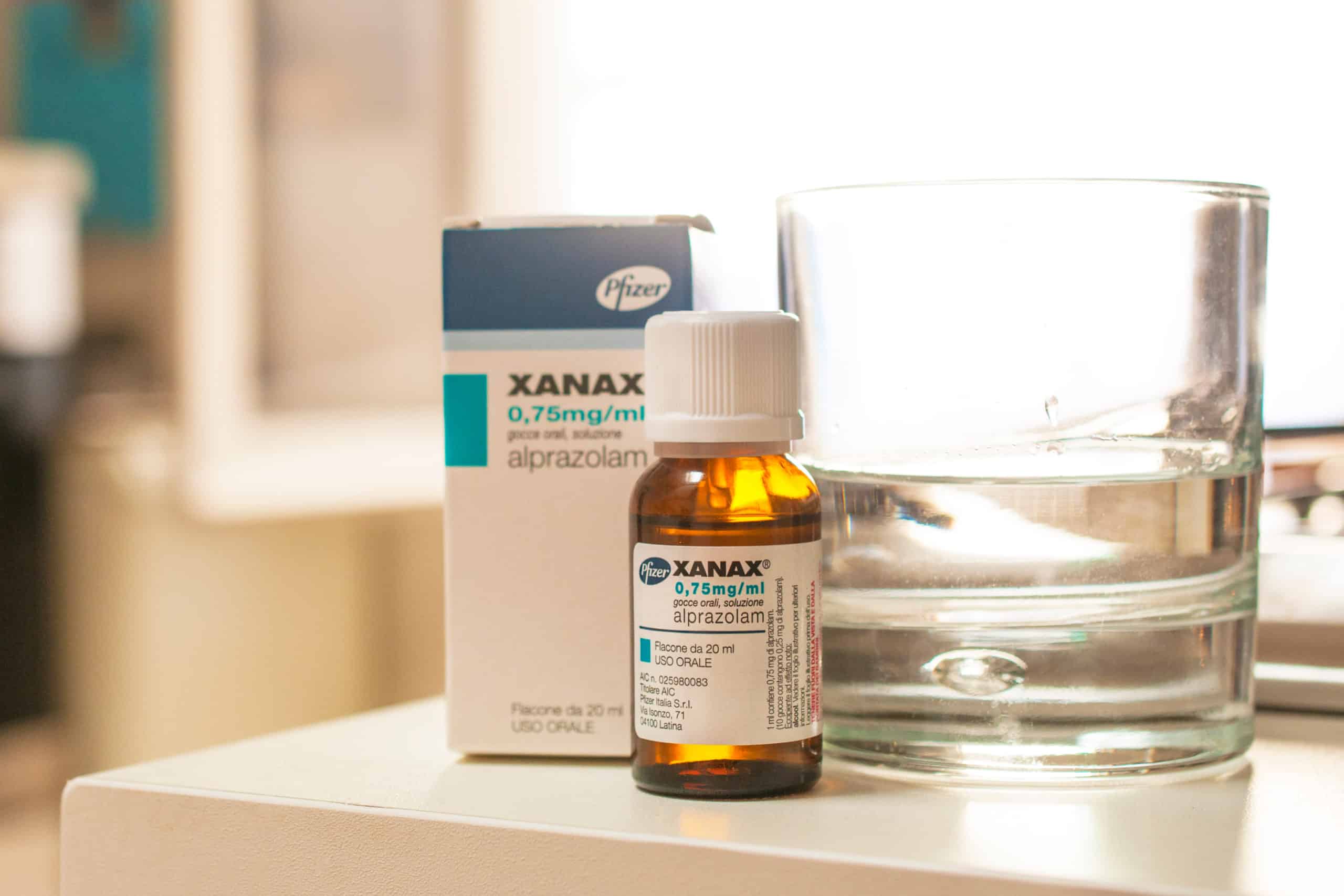
Xanax is the brand name of a drug otherwise known as Alprazolam. This drug is most often used to treat generalized anxiety disorders as well as panic disorders though it can also be used to treat some sleep disorders and other conditions as a combination medication along with other treatments. 

The drug Xanax is in a category of drugs known as benzodiazepines or “benzos”; these drugs work by acting on the body’s central nervous system and certain parts of the brain. This type of drug interferes with the message pathways between the nervous system and the brain to either slow down or speed up certain reactions or the production of certain chemicals, thus helping with these particular problems. 

In the case of Xanax specifically, it heightens the production of a natural chemical called GABA to reduce the reaction of the brain’s fear response, which is the primary cause of anxiety and panic attacks. 

How Addictive is Xanax?  

If you want to know “is Xanax addictive” and understand the Xanax addiction rate, you have to understand how the drug works and what causes it to be addictive in the first place. Xanax and similar benzodiazepines are all tightly regulated and considered highly addictive. As such, they are only meant to be taken by a doctor’s prescription and are usually only prescribed as a short-term treatment. 

There are two main reasons why a person becomes addicted to Xanax. 

The first reason is that Xanax, like other benzos, works by acting on the brain and nervous system. This gradually changes the way that both these parts of the body function. The body gets used to having the drug in its system. This is why we see the effects of the drug diminish over time. 

What this does is causes the body to become chemically dependent on the drug to function normally in day-to-day life. When the body doesn’t have the drug, we experience cravings for it as the body slowly starts to enter what is known as withdrawal. 

The second reason that people start to misuse Xanax and ultimately become addicted is that they like the way it makes them feel. They continue to seek that feeling more and more, even when the body adapts to the drug, leading them to take higher and higher dosages. Xanax produces a sedative-like effect on the body that makes a person feel calm and relaxed. While it does not produce a “high” like other drugs, many enjoy these calming effects. 

What Are the Signs of Xanax Abuse? 

Xanax abuse signs are similar to many other drugs. A person abusing Xanax may start simply by using more than their prescription dictates. Once the drug is no longer as effective, they will also likely change how they use the drug, such as snorting or injecting it. 

This behavior may be combined with them being more secretive, trying to find more ways to get the medication, such as taking other people’s prescriptions or stealing the drug. They sometimes become withdrawn from family and friends and no longer find enjoyment in things they used to like to do. 

This can lead to a range of problems, including financial and legal difficulties. 

How to Find a Xanax Addiction Treatment Program 

Finding treatment is the important first step if you or someone you know is dealing with a Xanax addiction. Hillside Mission Recovery is here for you every step of the way. 

We offer a calming setting for our Mission Viejo rehab center. All of our clients in our Los Angeles inpatient residential program receive quality treatment from our highly trained and caring staff. Each program is personalized to the individual and works to treat the addiction, not the substance. Most clients start with detoxification in Southern California before moving on to treatment and aftercare. 
When you’re ready to get help, contact Hillside Mission Recovery today.

How to do an Intervention for Drug Addiction

How to Do an Intervention for Drug Addiction

Dealing with a loved one with a drug addiction is a difficult situation. Often, once we notice that our loved one has a drug addiction, it has already progressed to the point that they need the help of a professional treatment facility to break the addiction. However, getting them to accept that they need help and then actually go and get help can be even more challenging. That’s when one of the best ways to help is by holding an intervention for substance abuse. Interventions have been used for a long time to help convince those with an addiction to get the help they need. 

Hillside Mission Recovery is here for you when you have a loved one dealing with addiction, and we want to give clients and their families the resources they need to battle addiction and get on the road to recovery. In this post, we are going to discuss how to do an intervention for drug addiction, the signs of substance abuse, when an intervention for a drug addict is needed, and the purpose of a drug intervention. 

What Are the Signs of Substance Abuse? 

Depending on the person and the substance they are abusing, there are some clear signs that a person is addicted if you know where to look. For instance, many drug abusers start to show signs of detachment from family and friends in favor of doing drugs or drinking. They may neglect things they used to like doing and show disinterest in going out or being with others. 

They will often lie about their behavior or change their daily routine in order to support their habit. This is sometimes out of fear or shame that what they are doing is wrong, and other times it is because they have the intense need to continue using despite the consequences. 

Once a person is fully addicted, they begin to resort to whatever means they need to continue use. This may mean they neglect family duties, get in trouble at school or work, or even get in legal trouble trying to score more of the drug. For these reasons, getting someone to get help before the substance abuse spirals out of control can help not only the person addicted, but also their family and friends. 

What is the Purpose of a Drug Intervention? 

A drug intervention is not just about telling someone that they have a drug addiction; it is about getting them to realize that they have the addiction and getting them to want to get help themselves. For this reason, interventions are meant to be held in a neutral safe space where family and friends can express their concerns about the addiction while also offering support to the person addicted. 

By showing support and giving the person reasons why their drug addiction is a problem not only for themselves, but for their loved ones, the goal is to get them to admit that the addiction is a problem. Admitting that there is a problem is the first step to getting help. From there, the goal is to get them to agree to go into treatment voluntarily, rather than trying to force them to get help. 

When is a Drug Intervention Needed? 

While there’s no clear answer to this question, the best option is to hold an intervention once you notice that a person has begun abusing drugs and it has negatively impacted their life. The sooner you address the situation, the better it will be for all parties involved. Unfortunately, an intervention is often only held once things have reached a point of no return for the person addicted and their family. 

The sooner a person realizes they have an addiction and agrees to get help, the sooner they can stop the damage that is being done by the addiction. 

How to do an Intervention for Drug Addiction 

Hosting an intervention is stressful and doing it right is the difference between someone getting help and driving them further toward addiction. The most critical factor in holding an intervention is to make the person feel safe and supported and that getting help is the right choice. 

Once they agree to get help, the next step is to get help at an addiction treatment facility in Southern California like Hillside Mission Recovery. Our inpatient residential rehab is designed to treat the individual, not the drug, and get to the root of the addiction. 

We have a highly trained medical staff in a calming and relaxing environment and offer a variety of treatment options and Southern California aftercare support to maximize the chances of long-term sobriety. 
If you know someone who is ready to get treatment for an addiction, then contact Hillside Mission Recovery today!

Why is Prescription Drug Addiction so Common?

Why is Prescription Drug Addiction so Common?

Most of us know that prescription drug addiction is a significant factor in many people’s lives. Prescription drugs can be used to treat a variety of conditions. Contrary to what we think, many of these drugs that we are prescribed to treat a variety of conditions are, in fact, highly addictive. Without careful management, it is easy for a person to unknowingly or unintentionally become addicted to a drug that they are supposed to be taking. Once this happens, it can be challenging to kick the addiction because the drug is needed for the original purpose but also is the source of the addiction. 

At Hillside Mission Recovery, we know that new prescription drug addiction can be a painful experience. That is why we want to offer our clients all of the tools they need in order to get clean and sober. That’s why in this blog post, we’re going to discuss why prescription drug addiction is so common, what causes addiction to prescription drugs or prescription drug abuse, and the signs that go along with it. We also cover how to find prescription drug treatment centers near you. No one should have to suffer from an addiction to a drug that they were prescribed for legitimate medical conditions.

Why is Prescription Drug Addiction so Common?

One of the primary reasons why prescription drug addiction is so common is that millions of people take prescription drugs that inevitably have a chance of becoming addictive every day. This means that just by taking the drug, there’s a chance that a person can become addicted to the drug and begin to abuse it. Some can use the drugs prescribed without any problems and get the help that they need for their particular illnesses or medical conditions. However, many develop an addiction over time without even knowing it and ultimately wind up needing help to break the cycle.

The wide array of medications available and the number of conditions that they can treat means that there is a significant chance that any individual taking medication could become addicted. This, coupled with day-to-day life stressors and outside factors, means a high chance and a high likelihood for someone to become addicted to prescription medication. Also, because the scale and scope of addiction are different for each individual, a person may be addicted to a drug without realizing it or without anything seeming different.

What Prescription Drugs Are Commonly Abused?

Currently, the most widely abused prescription medication in America is opioids. Opioids are the most commonly prescribed medication in the country and, as such, are the most frequently abused. 

Beyond the wide availability of these drugs, one reason they are abused is due to their effects on the body. Some improve cognition and focus, others produce a feeling of euphoria, and many are simply coping mechanisms for day-to-day problems.

Benzodiazepines, a common class of anti-anxiety medication, which includes drugs like Xanax, are also commonly abused. However, these drugs are not nearly as addictive or as potentially life-threatening as opioids.

What Are the Signs of Prescription Drug Addiction?

The signs of prescription drug addiction can be different for everyone, but there are some basic signs that you can look out for if you believe that someone you know may have a drug problem. A person taking a higher dose of a medication or taking a dose more frequently without consent from a doctor is a clear sign that they may have a problem using the drug. 

Secondly, they may begin to change how they ingest the drug, such as crushing a pill and snorting it rather than taking it orally as intended. This behavior suggests a person is looking for a way to increase the intensity of the drug’s effects or looking to speed up its impact on the body.

Thirdly, you will likely see a change in a person’s day-to-day life. Behavior, such as becoming withdrawn from friends and family, neglecting day-to-day responsibilities, and seeking drugs over other activities, are all signs of addiction.

They may even develop behavioral signs such as paranoia, anxiety, or depression based on the use of the drug. The exact symptoms can vary depending on what drug they are using and for how long, as well as the individual’s medical history. In many cases, prolonged use of prescription drugs can lead to drastic and often life-altering consequences.

How to Find Prescription Drug Treatment Centers?

If you or someone you know is suffering from prescription drug addiction, it’s important to know how to find treatment that suits your needs. You could spend hours looking for addiction treatment near you or come straight to Hillside Mission Recovery. We offer a luxury rehab in Southern California for people suffering from drug addictions of all types and are here to help you 24/7.
Our programs begin with an individualized evaluation followed by a detoxification process that is supervised by our medically trained staff. Once detox is complete, the next step is to move on to your personalized treatment plan, which works to rid you of the drug and the causes behind the drug use. After treatment ends, we offer a range of aftercare services that are designed to help you continue recovery once the primary treatment portion has been completed. We believe everyone deserves a successful chance to restart their life. Contact Hillside Mission Recovery today if you are ready to get clean of prescription drug addiction.

What Are the Signs of Benzo Withdrawal?

What Are the Signs of Benzo Withdrawal?

Most of the time, when we are prescribed a drug, it is to treat a particular condition that we have. This is the case for colds, injuries, and mental disorders. However, not everyone realizes that many of these drugs can be highly addictive when used more often or in ways not intended by the doctor who issued the prescription. In some cases, due to this, people become addicted without even realizing it. When this happens, it’s essential to know what to look for to realize that someone is addicted and whether or not they may be going through withdrawal. In most cases, it only takes a few hours after stopping drug use to begin withdrawal. For this reason, it is important to recognize this quickly and to get the help a person needs. In fact, many people don’t realize that withdrawal can be deadly if not medically supervised.

At Hillside Mission Recovery, we believe that everyone should have the chance to recover from drug addiction safely. Part of that means having the information they need to understand the drugs they’re using and the potential for withdrawal. In this post, we will discuss benzodiazepines, what they are, how they affect the body, and the symptoms of withdrawal. We will also discuss how to find benzo addiction treatment. Besides knowing the symptoms of benzo withdrawal and benzo detox signs, it’s important to know where to get help when the time comes.

What are Benzos?

Benzodiazepines or benzos are considered psychoactive drugs. They’re used to treat conditions such as anxiety, depression, neurological issues like seizures, and certain other conditions in combination with other drugs. They work by reacting with certain receptors in the brain and either blocking or slowing the function of signals that are sent and received. They’re widely prescribed and considered highly effective in treating most brain-related conditions. 

Benzos are typically tightly controlled and regulated and are only available through a medical prescription. This means that most often, people require them due to their condition. As we discussed, a person may be prescribed benzos in combination with other drugs to treat a specific condition, not just an issue with the brain or central nervous system.

Are Benzos Addictive? 

Not only are benzos addictive, as are most other drugs, but benzos are also particularly addictive because they interact with both the brain receptors and the central nervous system. Over time and continued use develops a chemical dependency that the body then relies on to function normally. This typically leads to increased dosages and higher usage rates even among those prescribed the drug.

For a person who has not been prescribed the drug or who has stopped usage but then starts using illicitly, the person will continue to find other means of acquiring the drug, using more and more, and even changing the method in which they use the drug. Eventually, a person will then move from dependency to full-blown addiction. At this point, a person will continue to use benzos despite negative consequences.

Do Benzos Require Detox?

Like a new drug that is addictive and affects the body in some way, benzos do indeed require detox. Within a few hours of stopping use of benzos, a person may begin to experience withdrawal symptoms of the drug. This is because the body has gotten used to having the substance and can no longer function normally without it. Essentially the body begins to behave abnormally without the presence of the drug, and these side effects can often be problematic and even deadly if combined with other medical conditions. That is why it is always advised to seek detox treatment in a medically supervised environment.

What Are the Signs of Benzo Withdrawal?

It is important to get a person help immediately if they’re going through withdrawal from benzo dies of pains, but in order to understand the withdrawal process, it is important to know the signs of a benzo withdrawal.

Signs of benzo withdrawal can range from anxiety fatigue, depression, muscle spasms, and headaches to severe symptoms such as grand mal seizures and deliriousness. Other symptoms include sweats, vomiting, inability to focus, and heart palpitations. Depending on the length of use, the dosage, and the individual’s overall health, the signs and symptoms of withdrawal can be different for each individual.

How to Find Benzo Addiction Treatment?

The first step to finding benzo addiction treatment is to admit you have a problem. Once you’ve done that, the next step is to come to our treatment center in Mission Viejo at Hillside Mission. There, we offer an inpatient residential stay at our luxurious facility that includes Southern California detox and a wide array of treatment options that are designed to get to the root cause of your addiction
Our highly trained medical staff will be there to supervise you 24/7 and be with you throughout the entire process. Once treatment is complete, we offer aftercare services to continue the recovery and give you the best chances of success when returning to a normal life. If you or someone you know is suffering from a benzo addiction, please contact Hillside Mission Recovery today.

How to Find Treatment For Co-Occurring Disorders?

How to Find Treatment For Co-Occurring Disorders?

While most people know what addiction is, many don’t know just how complex of a disease it is. Unfortunately for the millions suffering from it, addiction can stem from a number of causes and even cause other problems besides just those we think of when we consider addiction. When addiction is combined with mental illness, this is called a co-occurring disorder. Treatment for co-occurring disorders is much different from addiction, so it’s important to know where to go and what to look for in treatment. 

At Hillside Mission Recovery, we are dedicated to giving our clients the treatment and services they need to get on the path to sobriety. We know how complex co-occurring disorders can be and the treatment required. In this post, we will look at co-occurring treatment known as dual diagnosis, what co-occurring disorders are, and how they affect addiction. We’ll also discuss how to find treatment for co-occurring disorders so that you or your loved one can get sober and stay that way.  

What Are Co-Occurring Disorders? 

The National Institute on Drug Abuse (NIDA) defines a co-occurring disorder as “a mental illness and substance abuse disorder that occur at the same time.” 

These disorders can interact with each other and make both worse. For example, someone suffering from anxiety may turn to drugs or alcohol to self-medicate. This can lead to addiction, which will, in turn, worsen the anxiety. It’s a vicious cycle that can be hard to break without the help of an addiction treatment facility that offers treatment for co-occurring disorders.

Which Disorders Are Commonly Considered Co-Occurring Disorders?

There are many different types of mental illness that can co-occur with addiction, but some of the most common include: 

  • Anxiety disorders
  • Depressive disorders
  • Bipolar disorder
  • Schizophrenia
  • Post-traumatic stress disorder (PTSD)
  • Attention-deficit/hyperactivity disorder (ADHD) 

These are just a few of the mental illnesses that treatment centers will commonly see in patients with addiction. It’s important to remember that every person is different, and there are many other disorders that can co-occur with addiction.

How do Co-Occurring Disorders Affect Addiction? 

As we mentioned before, co-occurring disorders can interact with each other and make both worse. This is why it’s so important to get help from a dual diagnosis treatment center if you or someone you love is struggling with addiction and mental illness. 

When addiction and mental illness are left untreated, they can cause a number of problems. The most common are: 

Increased risk of relapse – Because both disorders feed off of each other, treating neither or even just one means that a person is more likely to relapse in order to cope with the problems caused by the co-occurring disorders. 

Poor physical health – This is typically a result of dealing with addiction and mental illness. It leads to neglecting other health issues and just general poor life choices that lead to a decline in physical health.

Social isolation – Social isolation can occur as part of addiction or mental illness, and the effects only intensify with co-occurring disorders. A person tends to become distant from family and friends, even ignoring activities that they used to enjoy in favor of using or as a means of coping with the problems they are facing, such as hiding away from shame. 

Employment and financial difficulties – Another consequence of untreated co-occurring disorders, because of the effects of the disorders, a person is more likely to miss work, perform poorly or even wind up in legal trouble as a result of their actions. 

These are just some of the negative consequences that can occur when co-occurring disorders are not treated. 

How to Find Treatment for Co-Occurring Disorders 

If you or someone you love is struggling with addiction and a mental illness, it’s important to get help right away. However, this can be tricky because not all treatment centers offer treatment for co-occurring disorders.

Hillside Mission offers the kind of treatment you need in a calming and relaxing environment that is free of distractions and stress so that you can focus on getting well and getting back on the path of sobriety. 

Treatment for co-occurring disorders involves dual diagnosis treatment that works to find the root cause of both the mental illness and the addiction at the same time and treat them. Our residential inpatient care will work to give you the tools to deal with both disorders so that when you return to your normal life, you’ll be able to cope with day-to-day stress without drugs or alcohol. 

We offer aftercare services to follow up with after treatment so that you have the continuing support you need to stay sober and healthy. 
If you or someone you know is suffering from co-occurring disorders, contact us today for comprehensive dual diagnosis treatment in Mission Viejo, CA.