TL;DR
Narcan is a needle-free nasal spray that can reverse an opioid overdose in minutes. It is safe, legal, and available over the counter. So if you love someone who uses opioids, keeping it nearby could save their life. Below, we walk you through what Narcan is, how it works, and how to use it when seconds matter.
Introduction
What is Narcan? A single spray can stand between a fatal overdose and a second chance at life. That reality is why so many families quietly search, late at night, for a clear answer to one urgent question: what is Narcan, and could it save someone I love? At Hillside Mission Recovery, we hear that question often, so we want you to have an honest, unflinching answer.
In plain terms, Narcan is a needle-free nasal spray that can reverse an opioid overdose within minutes. It is safe, legal, and now available over the counter. Because opioids like fentanyl are so unpredictable, keeping Narcan within reach could genuinely save a life. Below, we explain what Narcan is, how it works, how to use it, and where to get it, without the jargon.
What Is Narcan, Exactly?
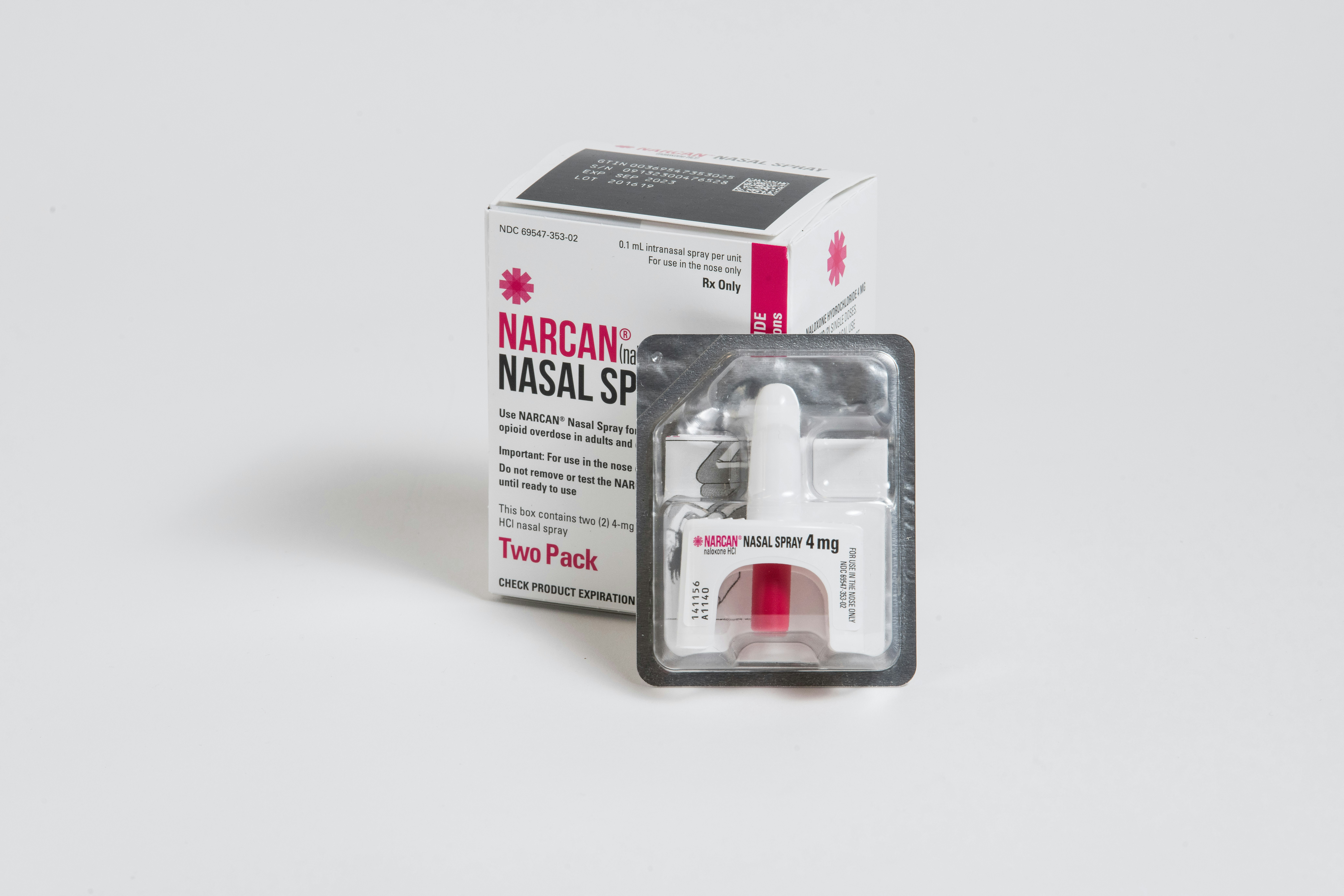
So, what is Narcan, exactly? Narcan is the original brand name for naloxone, a medication that rapidly reverses an opioid overdose. It comes most commonly as a 4 mg nasal spray, though naloxone also exists in injectable forms. Importantly, Narcan only works on opioids, such as heroin, fentanyl, oxycodone, and morphine. Therefore, it will not reverse an overdose from cocaine, methamphetamine, or alcohol alone. Still, giving it during any suspected overdose is considered safe [1].
The medication earned over-the-counter approval from the FDA in 2023, which means you no longer need a prescription [3]. As a result, it now sits on pharmacy shelves beside everyday first-aid supplies. In short, this once-clinical rescue drug has become something any household can keep on hand.
How Does Narcan Work?
Simply put, Narcan works as an opioid antagonist, a fancy way of saying it blocks opioids from doing their damage. Picture your brain’s opioid receptors as locks. Opioids fit those locks and, at high doses, slow your breathing until it stops. Naloxone, however, muscles those opioids off the receptors and takes their place [5]. Consequently, breathing can restart within two to three minutes. This lifesaving effect is exactly why understanding what is Narcan matters so much.
The rescue is powerful, yet it is temporary. The effect lasts only 30 to 90 minutes, while many opioids linger far longer in the body [1]. Because of this mismatch, an overdose can return once the medication wears off. For that reason, you must always call 911, even after someone wakes up.
Narcan vs. Naloxone: Clearing Up the Confusion
Many people use “Narcan” and “naloxone” interchangeably, and that is understandable. Naloxone is the generic drug itself. By contrast, Narcan is simply the best-known brand, much like Kleenex is a brand of tissue. Other naloxone products now exist too, including RiVive and Kloxxado. Whatever the label says, the active ingredient does the same heroic job.
How to Spot an Opioid Overdose
Recognizing an overdose quickly is half the battle. Opioid overdoses often look like a deep, unwakeable sleep, so trust your instincts if something feels wrong. Common warning signs include:
- Pinpoint pupils
- Slow, shallow, or stopped breathing
- Blue or gray lips and fingernails
- A limp body
- Choking or gurgling sounds
If you notice these signs, act immediately rather than waiting to be certain [2].
How to Use Narcan
Using Narcan requires no medical training, which is precisely the point. The steps below apply to the standard nasal spray.
| Step | What to do |
|---|---|
| 1. Check | Try to wake the person by shouting and rubbing their chest. |
| 2. Call | Dial 911 before or right after the first dose. |
| 3. Spray | Insert the nozzle in one nostril and press the plunger firmly. |
| 4. Position | Roll them onto their side to prevent choking. |
| 5. Repeat | Give another dose after 2 to 3 minutes if there is no response. |
| 6. Stay | Remain with them until emergency help arrives. |
Because fentanyl is so potent, one dose is sometimes not enough. Therefore, having more than one device on hand is wise. Meanwhile, rescue breaths or CPR can help if you are trained [4].
Where to Get Narcan — and What It Costs
Access has improved dramatically, though cost still varies by location. Over-the-counter Narcan generally runs under $50 for a two-dose box. However, many people pay nothing at all. The table below breaks down your options.
| Where to get it | Typical cost |
|---|---|
| Pharmacies (OTC) | Around $45 to $50 per twin pack |
| Health departments | Often free |
| Harm reduction programs | Usually free |
| With insurance and a prescription | Low or no copay |
In addition, some states distribute Narcan through vending machines, libraries, and mail programs. When in doubt, search your city plus “naloxone access” to find free supplies nearby.
Is Narcan Safe? Side Effects to Know
Reassuringly, Narcan is remarkably safe, which is part of what makes it so valuable. Side effects are uncommon, and giving it to someone who has not taken opioids will not harm them. That said, if the person is opioid-dependent, Narcan can trigger sudden withdrawal. Symptoms may include nausea, sweating, agitation, and body aches. Although withdrawal feels miserable, it is rarely life-threatening [1]. In other words, the risk of doing nothing is always greater.
Why Narcan Matters More in the Fentanyl Era
The stakes have never been higher, largely because of fentanyl. This synthetic opioid is many times stronger than heroin, and it now contaminates much of the illicit drug supply. Consequently, people overdose faster and harder than ever before. Fortunately, Narcan remains one of the few tools proven to pull someone back from that brink. Knowing what is Narcan, then, is no longer niche knowledge; it is basic safety.
Narcan Buys Time. Recovery Does the Rest.
Here is the truth we tell every family: Narcan buys time, but it does not treat addiction. It reverses a single overdose, yet the underlying opioid use disorder remains. Real recovery begins afterward, with medical detox, therapy, and steady dual-diagnosis support. That is the work we do every day at Hillside Mission Recovery, a drug and alcohol treatment center in Mission Viejo. If someone you love keeps Narcan nearby, please know that a fuller life beyond survival is possible. When you are ready to take that next step, contact us, and we will walk beside you.
Surviving is step one. Let’s build step two together.
Frequently Asked Questions
Is it legal to carry Narcan?
Yes. Narcan is legal to buy, carry, and use in all 50 states, and Good Samaritan laws protect people who use it in good faith during an emergency.
Can Narcan hurt someone who is not overdosing?
No. If opioids are not in their system, Narcan has no real effect, so it is always safer to give it when unsure.
How many doses of Narcan do I need?
Often one works, but fentanyl overdoses may require several. Keeping at least two devices on hand is smart.
Does Narcan expire?
Yes. Check the printed expiration date periodically and replace any expired spray so it is ready when you need it.
What should I do after giving Narcan?
Call 911, stay with the person, and monitor their breathing, because the overdose can return once the medication wears off.
Sources
- National Institute on Drug Abuse. (2022). Naloxone DrugFacts. nida.nih.gov
- Centers for Disease Control and Prevention. (2025). 5 Things to Know About Naloxone. cdc.gov
- U.S. Food and Drug Administration. FDA Approves First Over-the-Counter Naloxone Nasal Spray. fda.gov
- Nemours KidsHealth. (2024). What Is Narcan (Naloxone)? kidshealth.org
- Jordan, M. R., et al. (2023). Naloxone. StatPearls. ncbi.nlm.nih.gov
- Substance Abuse and Mental Health Services Administration. National Helpline. samhsa.gov