
How to Stage an Addiction Intervention

How to stage an addiction intervention

Many of us have likely heard of an intervention. You’ve likely seen them on TV or in movies, maybe you’ve been to one before for a person you know. The trouble is many people don’t know where to turn when it’s time to stage an intervention. Knowing how to stage an intervention can be the key to saving the life of a loved one and getting them on the path to recovery. 

The staff here at Hillside Mission Recovery want to give our clients every possible chance at living a safe, drug, and alcohol addiction-free life. To help with that process, we’re going to dive into the details of what an intervention is and how to stage an intervention to get your loved one the help they need. 

Dealing with someone who is addicted to drugs or alcohol can be a scary time for both the person suffering from addiction and the family and friends that surround them. 

What Is an Addiction Intervention? 

Understanding what an addiction intervention is, its intent, and purpose is key to staging a successful one. So we’re here to first answer the question, what is an addiction intervention? 

As we said, dealing with a person suffering from addiction is a difficult process. Oftentimes, simply having a conversation and telling them they have an addiction is not enough. In these cases, it takes a carefully organized approach and concentrated effort from family and friends to convince a person struggling with addiction to get the help they need. It doesn’t matter what kind of substance they are addicted to, getting help is the right choice for a person suffering from addiction 

The goal of an intervention is not to force an addicted person to get help. A person who is suffering from addiction is already in enough pain. Instead, the goal is to convince them to get the help they need by pointing out how much they are loved and valued and how the addiction has negatively impacted their lives. Rather than focus on confrontation, an intervention provides a safe space where friends and loved ones can bear their emotions. 

By being open and honest in a safe environment, a person is more likely to see that they have a problem and can move forward to seek the help they need. 

How to Properly Stage an Addiction Intervention

An addiction intervention can be staged by anyone that knows someone struggling with addiction. The important thing is to make a plan and have space where the person for whom the addiction is being held can feel safe. 

It usually involves an intervention team consisting of all the members of the intervention that will speak and try to convince the person addicted to getting help. Messaging is highly critical to a successful intervention. Each person should state reasons why their loved one should get help with their addiction and what will happen if they don’t in a non-threatening manner. 

An intervention can be a very emotional experience. If you feel unsure as to how to proceed, it is wise to get help from a professional addiction counselor who can help set up an intervention on your behalf and provide support to make sure that your loved one gets the help they need. 

How Hillside Mission Recovery Can Help with Addiction

Once your loved one has agreed to seek help, the next step is to find a place where they can get the help they need in a medically staffed facility with treatment options that are right for their unique case. At Hillside Mission Recovery we treat all our clients like the unique individuals they are and provide treatment plans to suit their needs. 

From the moment they step through our doors, they will be taken care of by our highly qualified medical staff. From detoxification all the way through aftercare, we work hard to get our clients off the road of addiction and onto the path of recovery. If you or a loved one are ready to get the treatment necessary to beat addiction, contact Hillside Mission Recovery Today. 
The Signs Someone Is On Heroin

The signs someone Is on Heroin

Most of us have at least heard of heroin and know that it is one of the most dangerous addictive substances that exist. What many may not know are the signs that someone is on heroin. 

Like many addictive substances, the signs that a person is using or addicted to heroin can be hard to detect. We hope to help by explaining some of these signs and how to get help for your loved one if they are on or addicted to heroin. 

What Is Heroin?

Heroin is an illegal drug that is derived from some forms of the poppy plant. It is processed from morphine and was previously routinely used as a standard pain reliever up until. In terms of classification, it is an opioid that is designed to relieve pain by inhibiting the pain receptors in the body’s nervous system. 

While heroin is illegal, it is still a highly sought-after pain reliever that is sometimes still rarely used in medical procedures. Beyond the typical addictive properties of most prescribed opioids, Heroin is known to be incredibly strong and to produce other side effects that most opioids do not. 

Heroin was used for many years in the United States until 1924 when it was banned for its addictive qualities. Since then, various forms of heroin have been created and it is now only found as a street drug. 

What Does Heroin Look Like? 

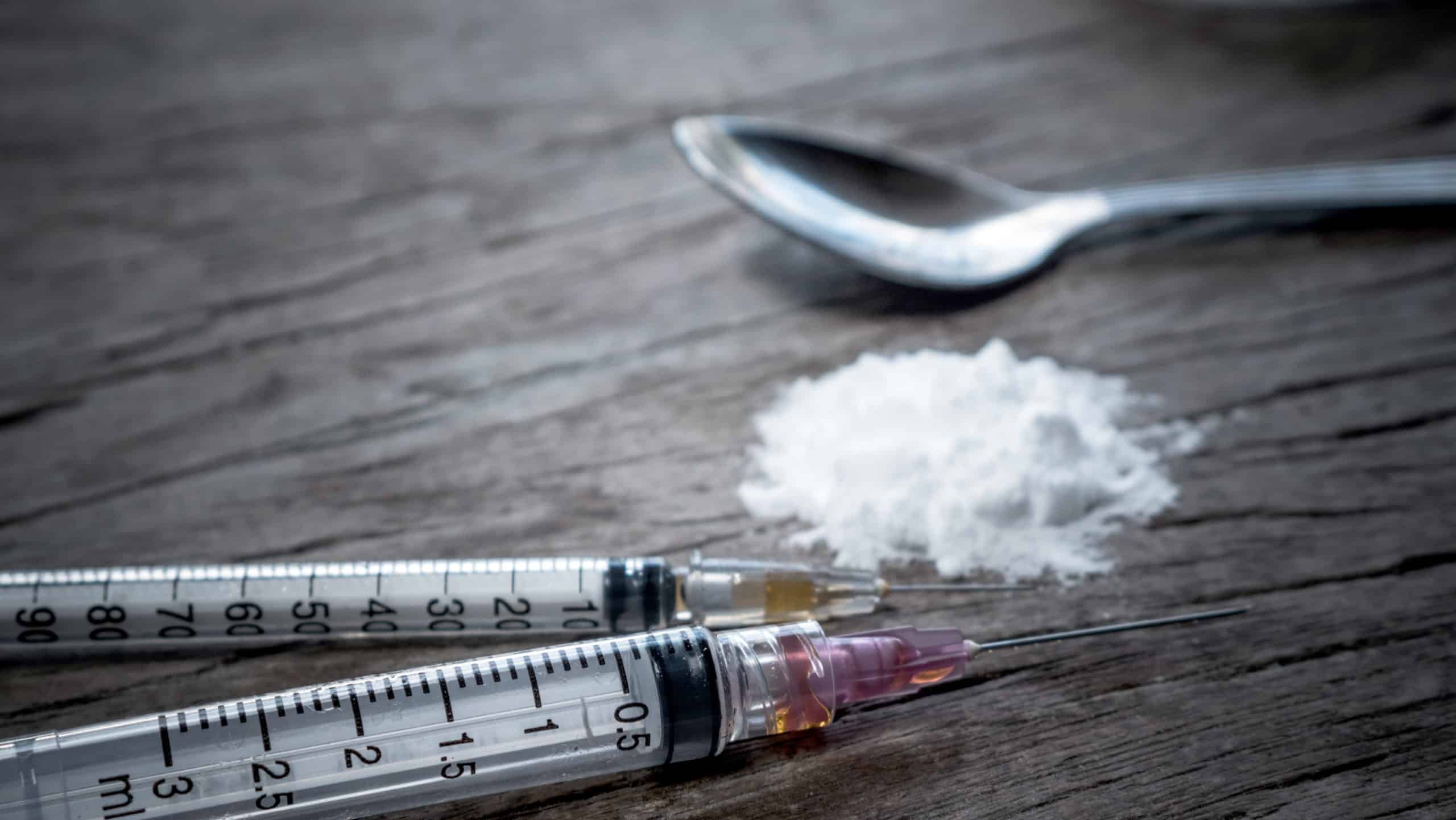
In its purest form, heroin is a white powder, somewhat resembling sugar. Most often though, the purity is much lower and heroin powder is mixed with various substances. 

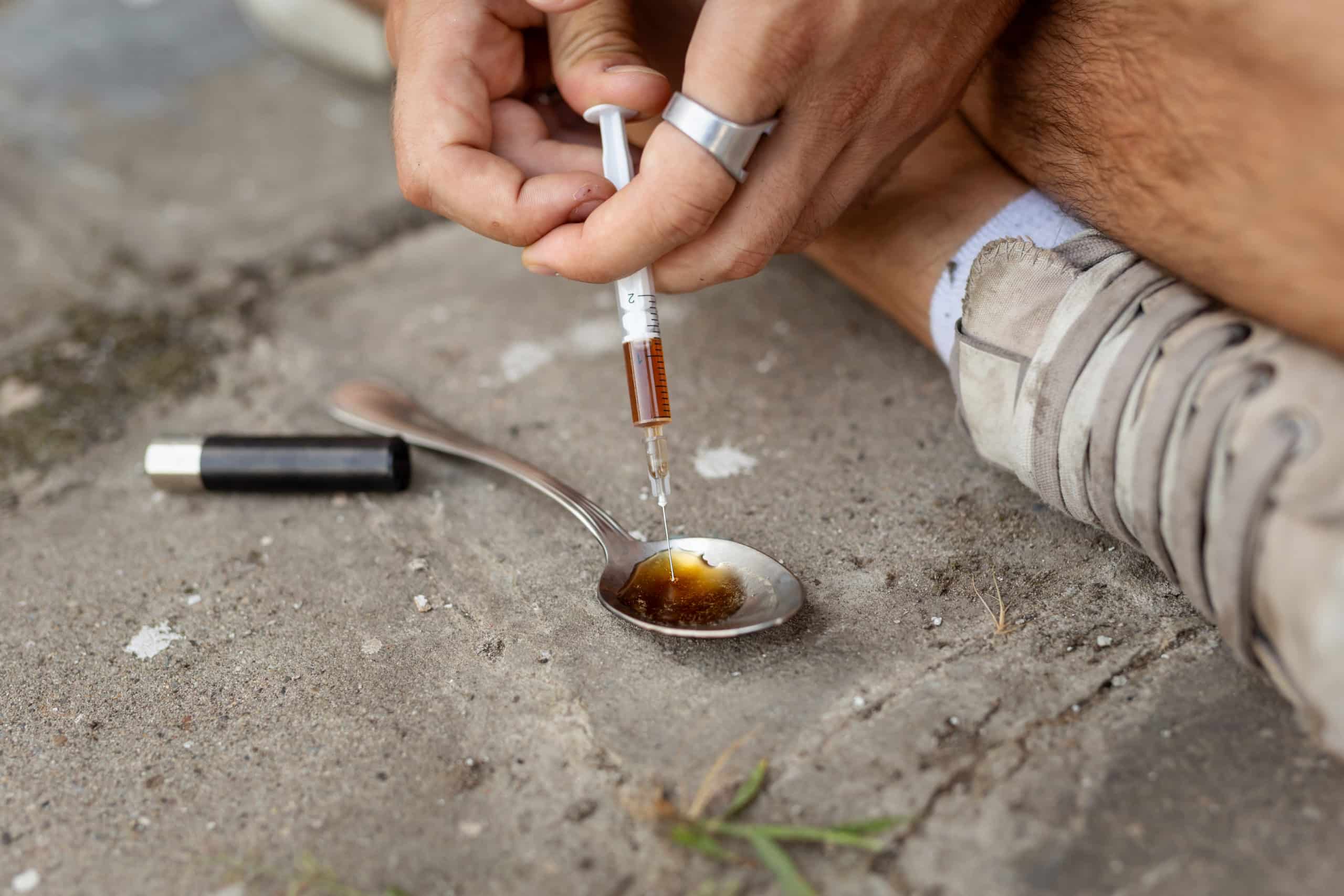
In some cases, the heroin is “cut” or diluted with similar colored substances like sugar or powdered milk. In more extreme cases it can be cut with other drugs and harmful substances which changes the color to a brown or black color creating a substance known as “black tar heroin. 

The purest forms of heroin are usually snorted through the nose or smoked. Other forms are typically heated into a liquid and injected. Because of the dilution of heroin with other substances, there is often no way to tell the amount a person is using, which leads to frequent overdoses, one of the main dangers of the drug. 

The Signs That Someone Is On Heroin 

Like most addictive substances, there are signs when a person is actively using the substance. To help you determine if someone you know is using heroin, we will describe some signs and symptoms of both when they have used the drug, and when the drug has worn off. 

Signs Someone Has Just Used Heroin 

In general, they feel feelings of comfort and happiness followed by a sense of euphoria. They often claim to be in a dream-like state. Some users claim to feel like time has slowed down or that reality is in slow motion. 

In people who have just used the drug, the pupils shrink and they may feel sleepy initially. Those that inject the drug may have markets in their arms and other areas. 

Signs of Heroin Use When It Has Worn off 

The symptoms of heroin use once it has worn off are very similar to those of people going through withdrawal after detoxification treatment

Fatigue, insomnia, sweating, pain, itching, and vomiting are all common symptoms after heroin has worn off. 

Typical behaviors can include paranoia, changes in mood, and changes in social circles, as well as a constant need for the substance. Like other opioids, heroin is addictive because it acts on the body’s nervous system, creating a chemical dependence over time that can result in cravings. 

How to Get a Loved One Help With a Heroin Addiction 

If you have a loved one that you believe is addicted to heroin, it is important to get them to seek treatment at a licensed treatment facility like Hillside Mission Recovery. We believe in helping clients get on the path to sobriety and providing the treatment and tools they need to live a clean and sober life once treatment ends. 

We’ll help clients and family members through the process by providing only the best in inpatient treatment and support. For clients addicted to heroin, we can help them to get sober and to help loved ones identify detox symptoms so that they know if their loved one is suffering from heroin withdrawal. It is always best to seek help from medical professionals in a safe and secure environment when trying to overcome drug addiction. 

Hillside Mission Recovery is dedicated to clients well being in a comfortable and stress-free environment surrounded by caring professionals. If you or a loved one is suffering from addiction, contact Hillside Mission Recovery today and let us help you get and stay sober.  


Is MDMA Addictive?

Is MDMA Addictive?

Understanding different drugs and how they work is crucial to getting the help you or a loved one need to get clean of the addiction. We here at Hillside Mission Recovery want to give you the best information and advice possible to help you get the treatment you need. 

To do that, we’re going to explain MDMA, what it is, how it’s used, answering the question “is MDMA addictive?”, and how to get help. 

What Is MDMA? 

Methylenedioxy-methamphetamine (MDMA) is a combination of a stimulant and a hallucinogen that alters a person’s mood and behavior often in the form of arousal. If you haven’t heard of the name MDMA, then you may have heard of the common names, Molly or Ecstasy. 

MDMA was originally a drug that began in the club scene but has gradually found its way out to broader use. Many users report experiencing a boost of energy, emotional warmth, pleasure, and a distortion in their sense of time. The effects of MDMA can be fairly broad and behaviors can change accordingly. 

How Is MDMA Used? 

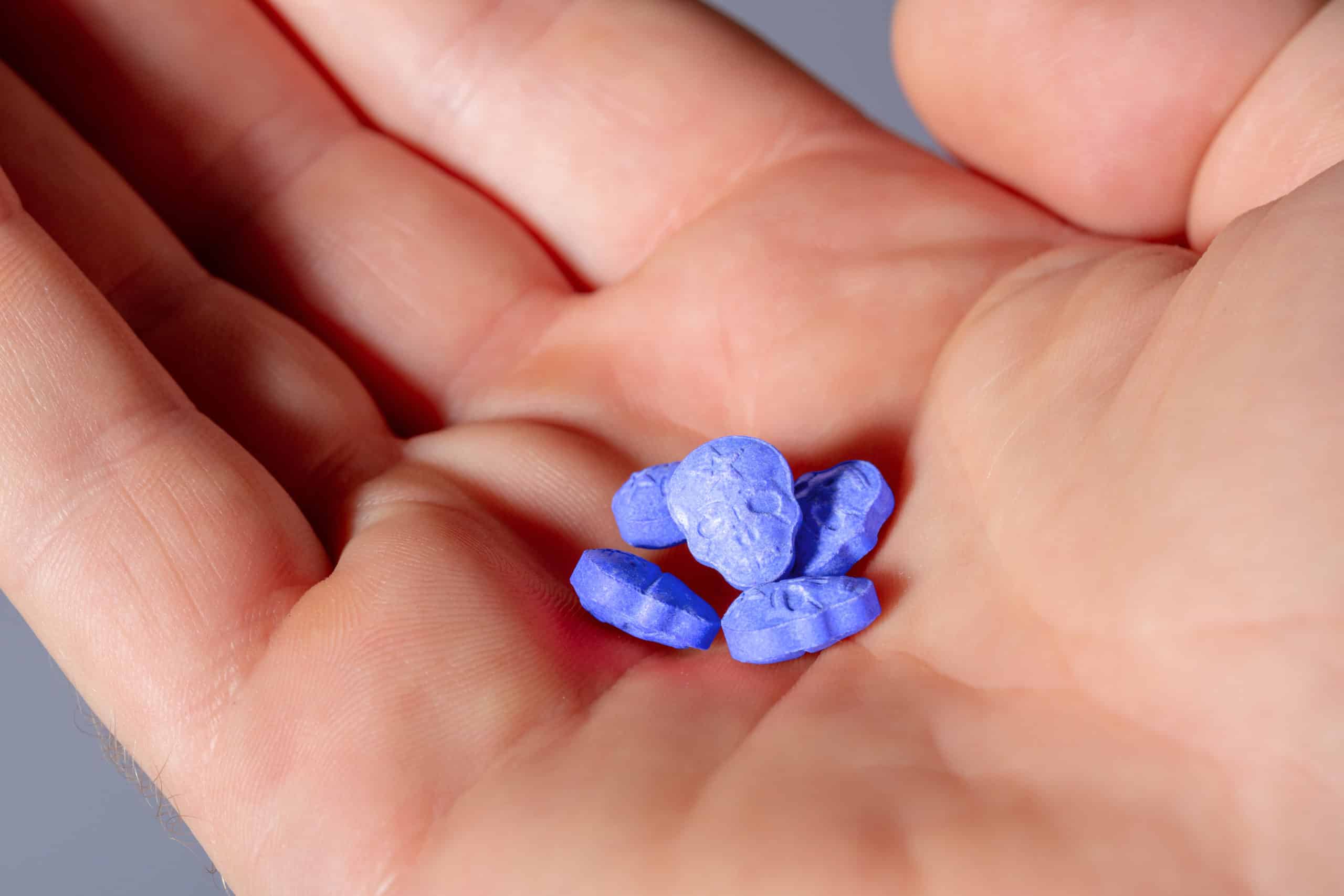
The most common form of MDMA is a capsule or tablet. The drug also comes in powder or liquid forms as well. Most users will swallow the capsule or tablet and wait for the drug to take effect, though some prefer a different method. 

Long-term users may drink the liquid form for rapid absorption or take the powder, either in its natural state or from crushing the tablets or opening the capsules. In this manner, it may be snorted instead of being ingested orally. Some users have reported issues when trying to acquire the pure powder form of MDMA as it is often replaced with other drugs such as bath salts. 

This can lead to wildly different behavior and even death. There is a danger that other unknown drugs could become suitable replacements for MDMA, though these will likely be drastically different from the intended use. 

Is MDMA Addictive? 

Unfortunately, answering the question “is MDMA addictive?” is not as simple as with other drugs. Because of the way in which it is used, MDMA is less likely to be abused in the same way as other drugs. 

However, many people who use MDMA regularly report many of the same symptoms and effects of other addictive drugs. Also, MDMA is a drug that can be and most often is, self-administered, meaning you have to purposely take it for the desired effects. This is one of the key markers of a drug that has the potential to be addictive. 

Because MDMA is such a different type of drug, it may be difficult to determine if someone is addicted. If you find that someone you know is using the drug regularly and exhibiting symptoms like depression, inattentiveness, and fatigue when not on the drug, then they may be addicted. 

The Best Way to Get Help With Drug Addiction 

Now that we’ve answered many of the questions surrounding MDMA, including “is MDMA addictive?”, we hope you’ll have the information you need to get help for you or your loved one. 

If you feel that someone you know is addicted to or abusing MDMA, it’s important to get them the help they need. Getting sober from drug addiction is not something that anyone should attempt alone. 

The first step once a person decides to get treatment is to go through detoxification. At Hillside Mission Recovery, we believe in a luxury approach to addiction treatment that begins with detox and continues with inpatient treatment options in our clean, peaceful, and comfortable treatment center. Our goal is to give patients a home-like environment while they get the treatment they need for their addiction. 

We truly care about the outcome of our clients and we will work with you to not only get you on the path to recovery but to keep you there for the long term. MDMA doesn’t have to become a life-destroying addiction. It’s possible to get clean with Hillside Mission Recovery. 

How Is Addiction a Disease?

How is addiction a disease?

Millions of people struggle with addiction every day. Part of dealing with addiction is understanding that addiction is not a medical disorder or problem that can be treated temporarily and goes away. Addiction is a disease. Treatment and recovery is a continuously ongoing process that patients will deal with for a lifetime. 

We here at Hillside Mission Recovery are dedicated to helping our clients and others understand addiction. We’ll begin by explaining addiction and how it affects the person’s body and mind. Next, we’ll answer the question “how is addiction a disease?” Understanding that addiction is a disease is key to getting proper treatment and staying on the path to sobriety. 

Lastly, we will cover how treatment can help if your loved one is struggling with addiction. 

What Is Addiction? 

Addiction, at its core, is the repeated use of a substance or the continuation of behavior even though it is harmful. To be more specific, it is a complex disease that affects the body, the brain, the emotions, and the social well-being of the individual who is addicted. 

Addiction can come from many places. A person may become addicted to a prescribed substance thanks to prolonged use. In other cases, a person may seek out a substance or behavior because they like the feeling that it produces for them. Others may turn to addictive behavior as a coping mechanism for physical or mental trauma, mental disease, or other outside factors that push them towards abuse. 

Because of the way that it affects multiple parts of the body, addiction can come in many forms and can affect each individual very differently. This makes finding treatment and staying sober after treatment a potentially difficult journey. Having professional and individualized care is crucial to getting onto the path to sobriety. 

How Is Addiction a Disease? 

The reason why addiction is a disease and not simply a medical problem is due to the fact that it impacts many areas of the body at once, and the compulsion to abuse a substance or behavior persists even after treatment. The purpose of treatment is to get the addicted client clean of the substance or behavior and confront the physical, emotional, mental, and social factors that led to the behavior. 

There is no cure for addiction. Addicts need proper treatment to overcome the addiction, combined with aftercare and support to continue on the path of sobriety. Like we talked about, the effects of addiction can range from physical symptoms to emotional problems, mental disease, and even trouble in social circles. The longer a person is addicted, the more damage the substance can do to their overall health and their lives. 

Understanding “how is addiction a disease?” is the first step to getting the proper treatment your loved ones need. It’s not just about getting the drug out of their system, it’s about teaching life skills to cope with the root causes of the addiction and giving patients the tools to cope with day-to-day life and the stresses and patterns that lead to abuse. 

What to Do if Your Loved One Is Struggling With Addiction 

Now that we’ve explained “how is addiction a disease?” we hope you have the information you need to get help for your loved ones. 

The first step to getting your loved ones the help they need is getting them to accept that they need treatment. Addiction won’t go away or get better on its own and the only right way to get treatment is with trusted medical professionals at a place like Hillside Mission Recovery. 

There are three stages to treatment at Hillside Mission Recover: detox, inpatient treatment stays, and aftercare. At Hillside Mission, we’re focused on your individualized recovery in an environment that is calm and stress-free. 

Detox is the process of getting the addictive substance out of the body in a medically supervised space that is safe for the client.

This is followed up by an inpatient stay at our luxury treatment center where we focus on getting to the root of addiction and giving clients the tools they need to stay sober after treatment ends. 

Aftercare is the final piece of the treatment puzzle. Aftercare involves connecting clients with resources and services that provide continued peer support, counseling, and other services that last long after treatment ends. 

When it’s time to get your loved ones the treatment they need, trust Hillside Mission Recovery to be there for you. Contact us today.

Heroin Detox Symptoms: Knowing What To Look For

Heroin is one of the strongest and most addictive substances out there. If you’ve found yourself addicted to heroin and are trying to get clean, knowing what to look for in terms of detoxing is crucial to getting completely sober. Heroin detox symptoms can be quite severe, it is always a good idea to get professional help before detoxing from an addictive substance. To help you get the help you may need, we will break down just what heroin is and the symptoms you may encounter if you begin to detox from heroin as well as where to seek treatment. 

Heroin Explained

At its most basic level, heroin is an opioid drug made from the morphine family of poppy plants. It is an illegal substance that relieves pain by attaching to the opioid receptors of the body’s cells. It also produces a euphoric type effect that most people feel like a “high”. 

Heroin is extremely addictive due to the way it reacts with the body’s cells and the high it produces, which many users find enjoyable. Heroin can be smoked, injected, or snorted and has a wide range of side effects, many of which can be deadly. 

One thing to note about heroin is that, because it is in the opioid family of drugs, many people addicted to opioids may gravitate towards heroin as prescription opioids become more difficult to obtain. 

The side effects of heroin range from short-term minor effects such as itching, flushness, and loss of consciousness, to long-term effects such as heart infections, lung damage, and insomnia. 

Heroin Detox Symptoms 

Detox is the process of removing a substance from the body. This can be done naturally or with medical assistance and is usually accompanied by symptoms of withdrawal. The severity of the withdrawal is determined by the length of use and the amount that is normally used. Withdrawal is caused by the body’s physical reaction to the absence of the drug. 

Withdrawal can begin hours to days after the last use of heroin and the symptoms can be wide-ranging from mild to severe. Typically, withdrawal symptoms increase in length and severity in accordance with how long a person has used the drug and how dependent they have become. 

A person who has only just started using heroin may experience symptoms like nausea, abdominal cramps, sweating, tearing, and muscle and bone aches. The average length of withdrawal when detoxing from heroin is about a week. This can run longer if the person has been a heavy user for many years. 

Severe symptoms often manifest as anxiety, depression, hypertension, rapid heart rate, impaired respiration, and drug cravings, as well as other minor or moderate symptoms. 

While detox from heroin by itself is not considered life-threatening, the medical and psychological complications that accompany detox can be life-threatening or have long-term health consequences if not managed properly. There is a particular danger of heroin-induced depression, which may lead to suicide. 

Why You Shouldn’t Detox From Heroin Alone

As we’ve talked about, several heroin detox symptoms can be very serious if not managed properly. Detoxing from heroin alone is never a good idea. 

An inpatient treatment facility is an ideal place to properly detox from heroin and manage the symptoms and avoid severe medical consequences. There are many different treatment options to effectively detox the body of heroin and minimize the side effects. 

The first way that a treatment facility helps is by having medical staff on standby to help with any complications. It is also helpful to detox in a calm and comfortable environment away from stressors that may intensify cravings. 

Second, a treatment facility can provide a plan for dealing with withdrawal which may include therapy, medication supplementation, and other treatments to counteract the symptoms of withdrawal. 

A treatment facility can also make sure that detox is done effectively so that treatment can begin afterward. Not completing the detoxification process can lead to relapsing and prolonged addiction. 

Trust Hillside Mission Recovery to Help You Detox From Heroin Safely 

If you are looking to detox from heroin and want to do it safely, then consider giving Hillside Mission Recovery a call. We have an expert medical staff combined with luxurious private accommodations and numerous amenities to make the detox and recovery process much more manageable and more importantly, more successful. 

Hillside Mission Recovery is dedicated to helping our clients get on the path to recovery in a safe and comfortable environment. When it’s time to get sober, trust Hillside Mission Recovery to be there for you. 

How To Safely Detox From Xanax

Safe Xanax Detox in Hillside Mission

Drug addiction can be a harrowing experience, as can the process of detoxing from a drug when attempting to get clean. But have no fear, getting clean doesn’t have to be difficult and terrifying. 

Xanax detox is something that should be done in a safe and controlled environment with the proper medical help ready to get you through the process. Xanax is part of the long list of prescribed medications that can become addictive and this makes getting clean a challenge. 

Before you search for treatment to beat your Xanax addiction, it’s important to know exactly what you’re dealing with in terms of the drug and how a Xanax detox could affect you. 

What Is Xanax? 

Xanax is the brand name of a drug that is known as Alprazolam. Alprazolam is commonly prescribed as it treats several different problems. Most often Xanax is prescribed to people suffering from different forms of anxiety, such as general anxiety, socially based anxiety, and stress-induced anxiety. 

It can also be used to treat other disorders such as sleep disorders, panic disorder, and social phobia. It has been known to be an effective treatment for seizures as well. Because of the wide nature of possible issues that Xanax may treat, a person may be prescribed the drug for many reasons. 

Xanax is classified as a sedative that is meant to calm the nervous system and the body’s reaction to outside stimuli, meaning the things that can cause you to become anxious or panic. It lowers the excitement in the brain to keep users from experiencing symptoms of anxiety disorders. 

Is Xanax Addictive? 

Much like many other prescribed medications, Xanax is easy to become addicted to if too many are taken. One of the reasons that Xanax can become addictive, besides misuse, is that it alters the chemistry of the brain to reduce the likelihood of panic attacks and other episodes. 

This causes the body to become chemically dependent on the drug. This can make Xanax detox more difficult if not handled correctly. 

Xanax is not only addictive, it can be dangerous if it is taken with other drugs, particularly opioids. For people suffering from Xanax addiction, proper treatment is crucial to overcoming the addiction. 

Part of overcoming an addiction to a drug like Xanax is accepting that help may be necessary. Addiction is a life-altering struggle but it doesn’t need to be one that you try to overcome alone. Detox is a great first step to take to overcome the addiction if it is done in a safe and secure environment. 

How to Safely Detox From Xanax

The first step to safely detoxing from Xanax is finding the right help to do it safely. Detox is the process of removing the drug from your system. Unfortunately, this is not a quick and simple process. The effects on the mind and body can be quite severe. That’s why seeking effective, expert treatment in a relaxing environment is a must. 

An inpatient treatment center is a safe choice when attempting a Xanax detox. Treatment centers offer personalized treatment plans accompanied by expert medical staff in an environment that is designed to minimize stress and maximize recovery. 

Let Hillside Mission Recovery Help You Recover From Your Addiction 

If you are suffering from Xanax or another drug or alcohol addiction, contact Hillside Mission Recovery for the best in high-quality addiction treatment services. We offer affordable luxury accommodations accompanied by a personalized treatment plan that includes detox, professional therapy, and aftercare services to take you from struggling with addiction to on the road to recovery. 

Don’t go it alone, get the help you need and deserve to kick your addiction and get back on the path to health and happiness. Contact Hillside Mission Recovery today. 

Why Go To a 12-Step Rehab

Why Go To a 12-Step Rehab

Addiction is a disease of the mind, body, and soul. It is not a moral weakness and is best treated with professional help. If you or someone you know is struggling with addiction, don’t wait to reach out for help. 

When seeking treatment for help with an addiction at a rehab facility, you’ll be able to address the physical and mental components of addiction. Detoxification is usually the first step of addiction treatment and this is when you safely rid your body of drugs and alcohol. 

After detox is when you start to address the mental and emotional components to addiction. During this time you’ll learn how to live a life free of drugs and alcohol. 

At Hillside Mission, we include the 12-steps in our programming. 

What Is a 12-Step Rehab?

A 12-step rehab is an addiction treatment center that uses the 12-step model as an addiction treatment method.The 12-step model was originally created by the founder of Alcoholics Anonymous. After AA was formed, other groups adopted 12-step recovery models like CA (Cocaine Anonymous) and NA (Narcotics Anonymous). 

According to a survey done by the Substance Abuse and Mental Health Services Administration (SAMHSA) in 2013, about 74% of rehab centers use the 12-step model to help people fight addiction and maintain sobriety.

The 12-Step Model Practice

The foundation of the 12-step rehab model is that in order to successfully recover from addiction, addicts must surrender to a higher power outside of themselves.

One doesn’t have to subscribe to a religion or a God to follow the 12-step model. The 12-steps are not affiliated with any religion. The 12-step model also emphasizes the need to accept addiction as a disease and work towards physical and spiritual wellness.

Furthermore, 12 step-programs involve the principle that people can help each other heal and maintain abstinence. 

The 12 step-program encourages individuals to create a community and peer support system to guide one another through their recovery journey. According to studies, people who get support during their recovery journey have better outcomes than those who don’t.

What Are the 12-Steps of Recovery?

  1. Admitting you have an addiction problem 
  2. Believing in a higher power in any form to help you through sobriety 
  3. Surrendering to the higher power 
  4. Introspection and self awareness to take a personal inventory 
  5. Acknowledgment of your wrongs and willingness to make amends
  6. Readiness to allow the higher power to correct your shortcomings 
  7. Asking the higher power to remove your shortcomings 
  8. Making a list of those you’ve wronged
  9. Contacting those you’ve wrong as long as it won’t bring harm towards the person 
  10. Taking a personal inventory 
  11. Connection with the higher power through prayers and meditations
  12. Passing the 12 step rehab messages to others

Benefits of Going To a 12-Step Rehab

  • Recovery 

Numbers don’t lie. A lot of people have achieved sobriety from 12-step rehabs. 12-step rehab encourages people to admit they have an addiction problem, find support in a community, and surrender to a higher power. These approaches make people self-sufficient and capable of recovering.

  • Long-Term Sobriety 

The most significant benefit of the 12-step rehab is that it helps people maintain sobriety for a long time. 12-step programs encourage continued participation, and, as such, don’t the programs don’t have a time frame. You can be in a program for as long as you like and there are meetings available in every town,city, and state. 

  • Support 

Support is important for a successful recovery from addiction. 12-step rehab programs offer a sober community and support system. This type of community motivates people living with addiction and makes it easy to network with people who genuinely understand your struggles.

  • Structure

A structured treatment program reduces the chances of cravings and relapses. It is almost impossible to maintain abstinence without a structure to keep you in check. Thus, 12-step rehabs are structured to give you a better chance at recovery.

  • Treatment Alternatives 

Many 12-step rehabs offer treatment alternatives to address addiction and mental illnesses.

Hillside Mission Is Here To Support Your Recovery From Addiction

If you want to learn more about 12-step programs or other addiction treatment methods, get in touch in Hillside today.

At Hillside Mission, we believe in customized treatment approaches. So whether it’s a 12-step rehab program or other evidence-based treatment, we aim to ensure our clients achieve long-term recovery.

Contact us today, or call us at 1-866-470-7342 to start your recovery journey today.

What to Do When an Alcoholic Relapses

What to Do When an Alcoholic Relapses

“What to do when an alcoholic relapses.” Many people have Googled this in a panic when a loved one suddenly veers off the road of recovery. 

Recovery from alcohol addiction isn’t always smooth sailing or linear. Sometimes, people who have been sober for months, a year, or even 10 years, will relapse and go back to rehab. Other times, recovering addicts are able to maintain sobriety for their entire lives. There is no perfect science to sobriety, and unfortunately it is a lifelong battle. 

If your loved one is a recovering alcoholic, and you think they may have relapsed, keep reading to learn some tips on what to do and how to help them. 

What Is a Relapse?

A relapse in alcohol or drug recovery means resuming drinking or drug use after a period of abstinence. Healing from addiction is a process. It takes a while for the addict to learn new coping mechanisms and manage their cravings.

In the meantime, they are susceptible to triggers. Anything from making a bad decision to feeling depressed or receiving bad news is enough of a trigger to make someone turn back to alcohol or drugs. When an alcohol addict slips up during recovery and starts to drink alcohol, it is known as an alcoholic relapse. 

Alcoholic relapses and relapses, in general, are very common. It is always possible to bounce back from a relapse and it shouldn’t deter someone from trying to achieve sobriety again. However, some recovering addicts don’t see it that way. 

They feel so strongly like they have failed in their recovery journey. This feeling either makes them more serious, or it derails them completely. As a result, it’s important for loved ones, co-workers, even neighbors, to know what to do when an alcoholic relapses.

While a few relapses elongate the time for total recovery, they don’t derail the recovery process overall. However, relapses can be dangerous, physically and emotionally. In some cases, a relapse has led to an overdose or death. When an addict starts getting clean, the body and brain undergo a reorientation. 

One of the first things to change is how the body reacts to the previously addicted substance. When an addict takes more and more of an addictive substance, the brain develops a tolerance for it. This is why addicts find themselves taking more and more of the substance overtime. 

During recovery and detox, the brain gets used to functioning without the addictive substance. It ‘unlearns’ everything about the addiction. So, when an addict relapses, the possibility of an overdose is possible because they take the same amount of drugs in high doses. 

At this time, the brain has lost its tolerance for such high doses, and the addict ends up overdosing or losing their life. 

What to Do When an Alcoholic Relapses

Alcoholic relapses are so common that up to 90% of recovered addicts have had a relapse at some point. 

So, how can you help a loved one who is going through an alcoholic relapse? Below are some suggestions on what to do: 

  • Be Attentive 

When we often notice that someone has relapsed, they are in the last stage of relapsing. An alcoholic relapse starts from the mind and grows until it becomes your loved one starts actually drinking alcohol.

If you start to notice this person is isolating or maybe becoming more moody, it’s probably a good idea to check in with them. Best case scenario they haven’t relapsed yet and let you know they’ve been thinking about it. Worst case is they have already relapsed but is open to going back to treatment. 

  • Have a Conversation 

A relapse is tough on everyone but more so on the addicted individual. They will be dealing with guilt, hopelessness, and other negative emotions. Having an open conversation can help them realize that relapse is a common hiccup in the road to sobriety. 

A simple conversation can renew their hope and set them back on. It can also be an avenue to suggest that they seek help if they feel unable to manage their cravings. 

Hillside Mission Is Here to Help Your Loved One Recovery From a Relapse 

Unfortunately, you can’t do much to help an addicted person during a relapse except care for them without judgment. More than anything, they need understanding and love. They also may need to seek a treatment center again to get further help. 

Hillside Mission is a luxury addiction treatment center located in California. We offer a wide range of treatment programs and support for relapses and alcohol addiction. Reach out to us today for more information regarding our addiction treatment program! 

Your Guide to Orange County Alcohol Treatment

Orange County Inpatient Treatment for Drug and Alcohol

Drug abuse, misuse, and addiction can all lead to both long-term and short-term health effects. Drug and alcohol addiction affects many people globally, and this includes people in Orange County, California. According to 2017 data, over 5,500 people were hospitalized in Orange County due to drug-related poisoning.

If you or your loved one struggles with addiction, it is crucial to get help as soon as possible to prevent the life-threatening side effects addiction can have on a person. 

Orange County has one of the most advanced and reliable drug addiction treatment centers in the United States. Also, Orange County alcohol treatment centers boast of specialized and advanced inpatient treatment programs for substance addictions. 

What Is Orange County Alcohol Treatment?

Orange County alcohol treatment is an addiction treatment program, also known as a rehab, in Orange County, California. intensive, residential treatment for serious addictions is available at inpatient treatment. Inpatient alcohol programs are ideal for people who need advanced and a safe treatment space for their addiction.

Types of Treatment Programs Offered in Orange County

Below are some of the types of addiction treatment available in rehabs in Orange County:

  • Detoxification

The first treatment step in many facilities in Orange County is detoxification. Detoxification involves getting rid of the toxins in the body caused by the consumption of drugs and alcohol.

  • Inpatient Treatment

Inpatient or residential programs are great treatment programs for people who need intensive care and a supportive environment as they go through the recovery process. 

These types of programs make it easier for people to focus on their recovery while getting treatment because they are removed from society. The only thing anyone in treatment has to worry about is getting sober.

  • Support Groups

Orange County offers peer led support groups that allow recovering addicts to continue the recovery work outside of rehab. These support groups are 12 step programs like Alcoholic Anonymous and Narcotics Anonymous.

  • Aftercare/Outpatient Programs

Relapses are a common part of the recovery process. Even though someone completes Orange County inpatient treatment, doesn’t mean the recovery work is over. All clients who are about to leave our facility at Hillside Mission receive a comprehensive aftercare plan that can include outpatient treatment for some folks. 

How Hillside Mission Helps With Drug and Alcohol Addiction

Orange County is home to several inpatient treatment centers for drug and alcohol abuse. Hillsides Mission is a perfect place to start your recovery journey when you are ready to stop using drugs and alcohol for good. We provide a wide range of addiction treatment services to help our clients recover from drug and alcohol addiction.

What we can guarantee when you come to Hillside mission to get sober is: 

  • Personalized Treatment

At Hillside Mission, you get individualized treatment. We understand addiction is different for every client, and we aim to provide unique and appropriate care for each person.

  • Advanced Treatment

We offer advanced and professional care for all of our clients. From detoxification to aftercare and counseling, you get nothing but a reliable treatment that works.

  • Professional Staff

Our staff at Hillside Mission consists of a team of experts who understand the full spectrum of addiction and will guide our clients through their recovery, every step of the way.

  • Beautiful Setting

It is no news that the environment can positively influence one’s recovery process. Hillside Mission offers a very comfortable and picturesque setting to aid patients’ recovery. Take a tour through the beautiful rooms, ocean scenery, and environment here.

  • Aftercare

As stated earlier, aftercare is essential for a long term recovery. Hillside Mission staff members put together aftercare plans for all of our clients, which helps them stay sober and on track for the long haul. 

Start Your Recovery Journey at Hillside Mission

Hillside Mission is all about helping people with addiction using the best tools and professional staff. Ready to break free from addiction? Reach out to one of the best Orange County alcohol treatment facilities using our contact page! Don’t let addiction ruin your life any longer.

Why Is Prescription Pill Addiction Treatment Necessary?

why Is Prescription Pill Addiction Treatment Necessary?

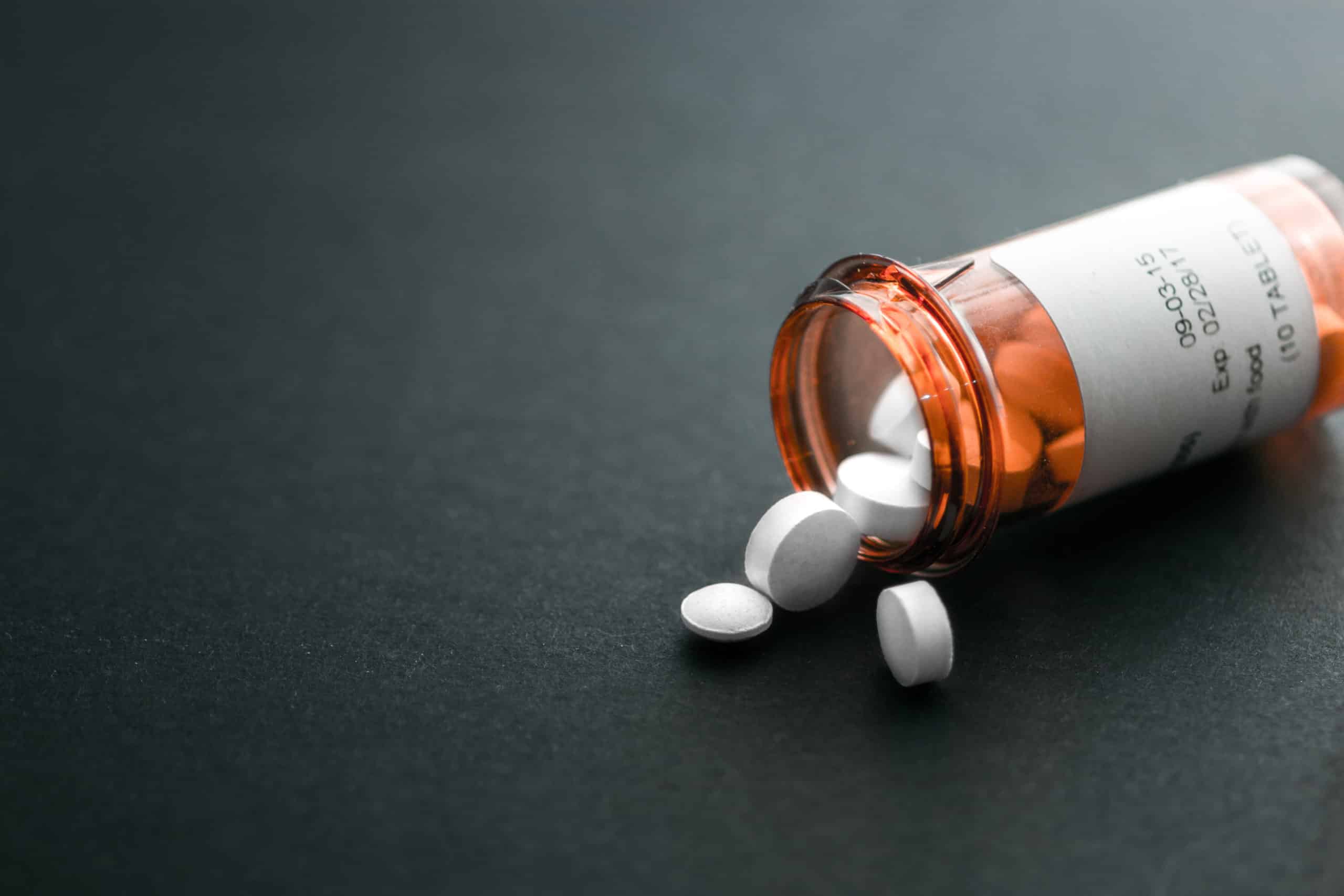
People often associate substance abuse with alcohol or street drugs like heroin. However, people also abuse and become addicted to legal drugs such as prescription pills. 

While prescription pills can heal us, if used the wrong way, they can become addictive. Addiction is dangerous, no doubt. It is best treated when an addiction seeks professional help at an addiction treatment facility. Keep on reading to learn more about the dangers of prescription pill abuse and how it can be treated.  

What Is a Prescription Pill Addiction?

Prescription drug abuse occurs when a person misuses prescription medications by going away from a doctor’s prescription or recommendation. This could be taking the pill without a prescription, taking more than prescribed or using it for a different ailment.

Prescription drug abuse is one of the most common drug problems in the United States. And right now, prescription drugs are the most abused drugs after alcohol and marijuana.

In a 2015 survey conducted by SAMHSA, about 18.9 million Americans between the ages of 12 and above-misused prescription drugs and 1% of them had a prescription drug use disorder.

Are Prescription Pills Addictive?

Yes. In several cases, prescription drug abuse occurs due to a pursuit of the euphoric feeling some drugs give. We’d like to note that not everyone who is prescribed prescription pills will become addicted. 

When individuals seek these drugs’ effects, they usually misuse them by consuming higher doses than what’s prescribed for an ailment. Continually taking the medicine over a long period often builds a tolerance. 

A tolerance reduces the drug’s effects and decreases the euphoric feeling from using it at lower doses. As a result, the individual will require a higher amount to reach the same high.

When the body builds tolerance, resisting taking the pill becomes challenging. The addiction is built by increasing doses and the body’s central nervous system getting accustomed to the drug’s presence.

As soon as dependence begins, misuse becomes compulsive and tough to overcome. When you or someone you love has reached this point, it’s best to seek out prescription pill addiction treatment.

Commonly Abused Prescription Pills

According to the National Institute Of Drug Abuse, the most popular prescription drugs abused are of 3 categories. These are: 

  • Opioids

Opioids are painkillers that work by acting on the body’s opioid receptors to reduce pains. These drugs produce euphoric feelings and can become addictive if taken regularly or abused. Common opioids are; codeine, hydrocodone, morphine, and oxycodone.

  • Depressants 

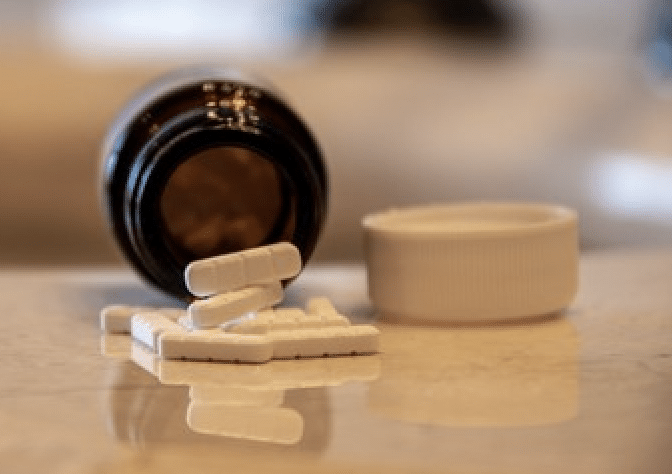
Popular depressants are phenobarbital (Luminal), diazepam (Valium), and alprazolam (Xanax). They treat anxiety, sleep disorders, and panic attacks by slowing down brain activity.

  •  Stimulants

Stimulants, on the other hand, increase brain activities, thus increasing alertness, attention and energy. They are commonly used to treat Attention Deficit Hyperactivity Disorder (ADHD), sleep disorders and narcolepsy.

Examples are amphetamines/dextroamphetamine (Adderall, Dexedrine) and methylphenidates (Ritalin and Concerta).

Prescription Pills Addiction Treatment

Prescription pill addiction treatment may vary depending on your needs and the type of drug abused. Essential parts of treatment at rehabs often include: 

  • Counseling 

Rehabs provide individual, group and family counseling to help uncover and address underlying factors that led to the drug abuse. Specialists will also provide professional advice and strategies to resist cravings and live healthily.

  • Detoxification

Depending on the usage and degree of the drug misuse, detoxification may be necessary as part of treatment. 

Detoxification is the process of removing toxins from your body. It can be dangerous to do this alone so you should always detox in the care of a professional facility.

  •  Medications 

Sometimes, medications may be needed to treat addiction. For instance, opioid addiction can be treated using medicines like buprenorphine, methadone, and naltrexone.

  •  Support Groups

Recovery can come with challenges. Patients need the support of loved ones and group organizations to get through recovery. 

There are 12 step programs like Smart Recovery and Narcotics Anonymous, communities for people recovering from addiction. Facilities also offer support groups where clients can connect with others.

  • Aftercare

Addiction requires lifelong treatment as people may relapse after detox. Thus, aftercare is necessary even after rehab to help people maintain recovery and prevent/manage relapses.

Prescription Pill Addiction Treatment at Hillside Mission

It takes a lot of courage to admit you need prescription pill addiction treatment. When you reach out for help, know that you can get the treatment you need.

At Hillside Mission, we provide unique and person-centered addiction treatment to help people with their recovery. The treatment takes place under the care of our compassionate and professional staff and in a serene and well-structured environment

We offer evidence-based treatment, and our services include detoxification, inpatient program and aftercare. Hillside Mission also incorporates holistic treatments and group supports to help clients with long term recovery.

Need personalized treatment that works and promises long term recovery? Get in touch with Hillside Mission today!