
The Importance of Relapse Prevention Programs

The Importance of Relapse Prevention Programs

Millions of people deal with addiction every day. Even though many of them do successfully enter recovery, there are still a large number of people who struggle with sobriety and continue to relapse. By its very definition, addiction is a disease that people will struggle with throughout their entire lives once they become addicted. Relapse can happen to anyone, but by taking the proper steps and having the right care and support systems in place, it is possible to help minimize the potential for relapse and keep on the path to sobriety no matter what life throws your way. 

At Hillside Mission Recovery, we know that dealing with addiction can be difficult for both the client and their family, but getting proper treatment and the care needed to return to typical life is the secret to long-term sobriety without the pain of relapsing. To help with getting the right treatment, in this post, we will discuss relapse prevention programs, including why people relapse, how to avoid relapsing, what aftercare and relapse prevention is, and how to find aftercare programs. 

Why Do People Relapse 

There can be several reasons why a person might relapse when addicted to drugs and alcohol, but there are a few more common reasons why this typically happens. 

One of the most common reasons that a person relapses is because they try to quit using on their own. The symptoms of withdrawal will generally drive a person to start using again without the proper supervision and support. Not only that, there is more opportunity to find or use drugs in the person’s regular environment. 

Another reason a person is likely to relapse is if they are dealing with co-occurring disorders, that being both addiction and mental illness. When a person with co-occurring disorders stops using drugs, they will likely relapse because the mental illness is a cause or symptom of the addiction, resulting in a vicious cycle. 

How to Avoid Relapse 

The first thing to know is that there is no cure for addiction, and there is no sure-fire way to avoid relapse. What you can do is minimize your chances of relapsing by going about getting sober the right way. 

The first step is to realize you have a problem and that quitting on your own will only lead to relapse. It might seem like a good idea to just quit using and try to recover yourself, but there are many factors that get in the way of a clean recovery. 

The best way to maximize chances of success is to find a treatment facility that can manage symptoms and provide the counseling and other services needed to learn how to deal with addiction and return to an everyday life. It’s also important to know that once treatment ends, there’s still more help that is needed in the form of aftercare treatment. 

What is Aftercare and Relapse Prevention? 

Unlike addiction treatment, which focuses on ending the substance abuse and identifying the root causes of the addiction, aftercare is explicitly aimed at providing resources to clients after their treatment has ended so that they can stay sober. This can range from group therapy and community support, such as twelve-step programs and additional counseling, to sober living homes and more. 

Part of the purpose of aftercare is relapse prevention; in other words, continued care is part of making sure that the person has the help and support to continue to be sober and not relapse and use again. 

Because addiction is always present, the extra care provided by aftercare services can mean the difference between a successful recovery and another relapse that ends in returning to treatment. 

Finding Aftercare Programs Near Me 

There are many ways to search for aftercare programs near you, but an effective way to do so is to rely on your local treatment facility like us here at Hillside Mission Recovery. We provide full-service treatment for addiction from detox and luxury inpatient rehab to providing aftercare services for once a client has finished their treatment. 
Our goal is always to give each of our clients and their families the tools needed to stay sober for the long term and to continue living their best life long after treatment ends. We give each person an individualized treatment plan that focuses on their specific addiction, how to treat the addiction’s root cause, and what tools and services they need to get and stay sober.


Signs You Need Rehab Treatment For Heroin Addiction

Signs You Need Inpatient Rehab Treatment For Heroin Addiction

Even though not everyone understands it, addiction is one of the most difficult diseases to overcome. Many people who become addicted to drugs or alcohol try many times unsuccessfully to quit. This is because of the nature of addiction and how it affects the body and mind as well as life and social factors. Often the only way to truly get sober is by getting inpatient rehab treatment where the person can be monitored by medical staff and given the treatment to deal with the root cause of addiction and not just the physical and behavioral symptoms of drug use. 

At Hillside Mission Recovery, we believe that the first step to getting the help you need is knowing about the particular addiction you or your loved one is facing. Once you recognize the signs of addiction, it is easier to seek the right kind of treatment. In this post, we will discuss the signs of heroin abuse, symptoms of heroin withdrawal, inpatient rehab treatment, and how to find inpatient rehab treatment for heroin.

Signs of Heroin Abuse 

Heroin is a very powerful and illegal opioid. Because of how powerful it is, it is also very addictive. It is important to know when a loved one is abusing the drug so that you can help them get the treatment they need before they suffer severe consequences. 

The effects of heroin abuse can vary from person to person due to genetic makeup, age, gender, lifestyle factors, and the amount of time the drug was used. Still, some common signs are present that will help determine if someone you know is abusing heroin. 

Emotional signs include feelings of anxiety, depression, anger, or mood swings that can happen uncontrollably. These signs are often accompanied by physical and behavioral symptoms, such as distancing oneself from others, failing to meet obligations, lying about using drugs, and using illicit means to obtain heroin. 

The physical symptoms can vary but usually include scratching at the skin, excessive sweating, paranoia, constricted pupils, and speech variations/forced speech. There is a whole range of other signs and symptoms as well, but these are a few of the most common. 

Symptoms of Heroin Withdrawal

Much like the signs of heroin use are severe, so are the symptoms of heroin withdrawal. It is important to be able to recognize the symptoms of withdrawal because unsupervised withdrawal can lead to life-threatening medical complications. 

Most of the withdrawal symptoms will manifest physically. Typically it begins with uncontrollable cravings for heroin, followed by nausea, vomiting, excessive sweating, muscle, and joint aches, and feelings of heaviness and cramping. Next, the person may begin to exhibit symptoms of illness such as fever, a runny nose, confusion, deliriousness, and insomnia. If there are underlying medical conditions present along with these symptoms, they can lead to death, which is why it is always advised to get treatment for addiction rather than trying to go cold turkey. The only safe way to detox is under medical supervision. 

What Is Inpatient Rehab Treatment? 

The most successful treatment option for getting clean of heroin addiction is inpatient rehab treatment. 

Inpatient rehab treatment refers to addiction treatment where the person comes to a facility and lives there throughout the duration of their treatment. These options are often considered more effective than outpatient treatment because they allow the client to focus on getting the treatment they need in a safe and secure environment with medical supervision. This will enable them to focus on sobriety without worrying about day-to-day life struggles. 

Inpatient rehab typically lasts a few weeks while the patient gets clean of the drug and is given the tools they need to return to a life without heroin. The treatment plan and process are different for each individual, but the end goal is to make the client return to a life post addiction with the best odds of staying sober. 

Finding Inpatient Rehab Treatment for Heroin Near Me

Once you know someone has a problem, the next step is to start looking for a treatment center near you. Hillside Mission Recovery offers luxury inpatient rehab that provides clients with a variety of treatment options to deal with their specific addiction. 

Treatment begins with an individual evaluation where the person’s needs are discussed as well as their medical history and the nature of their specific addiction. From there, they are placed into an inpatient stay at our facility, where treatment begins with detox. Once treatment is complete, we offer aftercare services to help the client remain on the path to sobriety. 
If you or someone you know is dealing with heroin addiction, contact Hillside Mission Recovery today.

What is the Definition of Co-Occurring Disorders?

what is the definition of co-occurring disorders

Even though millions of Americans suffer from addiction every day, many people still don’t understand the true nature of addiction, its role in mental health, or how it is interrelated. When it comes to addiction, there can be many causes and effects. One of the most common causes and effects of addiction is co-occurring disorders. However, many people still don’t understand the nature of co-occurring disorders, how they are treated or how difficult it is to treat addiction if they are also suffering from other conditions. 

At Hillside Mission Recovery, we know that addiction is never straightforward and that dealing with mental illness is also a difficult situation. To help clients and their families get the proper treatment they need, we are committed to doing every we can to help. This includes giving them all the information they need to understand the definition of co-occurring disorders, how this affects addiction, and how to get the help they need to get clean and sober and break the cycle of relapse that happens with addiction and mental illness. 

What is the Definition of Co-Occurring Disorders?  

As we mention in the opening, addiction is never a simple problem. Often addiction is the result of a person trying to cope with or self-medicate their mental illness. In other cases, a person struggling with an addiction may develop mental illness as a result. While it can sometimes be challenging to link the two, they occur together enough to become their own specialization in addiction treatment. 

By definition, a co-occurring disorder is when a person is experiencing two conditions simultaneously, in this case, addiction and mental illness. In some cases, it can also refer specifically to a person with multiple mental illnesses. 

Now that we’ve answered the question “what is the definition of co-occurring disorders”, it is crucial to explain why testing co-occurring disorders is complex and requires specialized treatments and assistance to break the cycle of addiction and mental illness and truly get on the path to sobriety. 

The main difficulty with treating co-occurring disorders is that only one problem is often treated at a time. This causes a more significant potential for the issue to return and even greater chances for relapse. 

The only way to honestly treat co-occurring disorders is by using dual-diagnosis treatment. Dual diagnosis treatment works by providing treatment for both the mental health of the client and the addiction side of the equation at the same time. Because both disorders tend to feed off each other, it is necessary to treat both at once. With therapy and other treatment, it is possible to discover the underlying causes for the addiction and mental illness and work towards breaking the cycle and giving the individual the tools they need to cope without drugs or alcohol. 

How to Get Help With Co-Occurring Disorders Today 

If you or someone you know is dealing with addiction and mental illness, it’s time to get the treatment needed to truly clean and sober. At Hillside Mission Recovery, we provide a safe, luxury inpatient treatment facility where clients can come, get away from all the stresses of daily life, and focus solely on getting clean and mentally healthy again. 

Each patient is given an individualized evaluation to learn the nature of their addiction and how best to treat their co-occurring disorder. We then start with detox before moving on to treatment. By focusing on the underlying factors for the addiction and mental illness, our goal is to rid the client of their reasons for using drugs or alcohol and promote positive mental health and coping techniques to return to everyday life. 
If you or someone you know may have co-occurring disorders, contact Hillside Mission Recovery and let us get you on the path to wellness.

Is Klonopin Addictive?

Is Klonopin Addictive

Addiction can occur at any time and to any person. Unfortunately, many addiction disorders in America result from drugs prescribed to people to treat particular diseases or medical issues. Knowing what a substance is before you take it and whether or not it is addictive can help with preventing addiction or helping someone with an addiction to a specific drug to get help. 

At Hillside Mission, we understand the problem that comes with being prescribed medication and how something seemingly innocent can be addictive. Prescription drug abuse can occur slowly as a person can become addicted even by accident. That’s why we believe in giving clients and their families the tools they need to identify addiction and get someone the help they need. In this article, we will be answering the question “is Klonopin addictive?” by explaining what Klonopin is and how to get someone with a Klonopin addiction the help they need to get sober. 

What is Klonopin? 

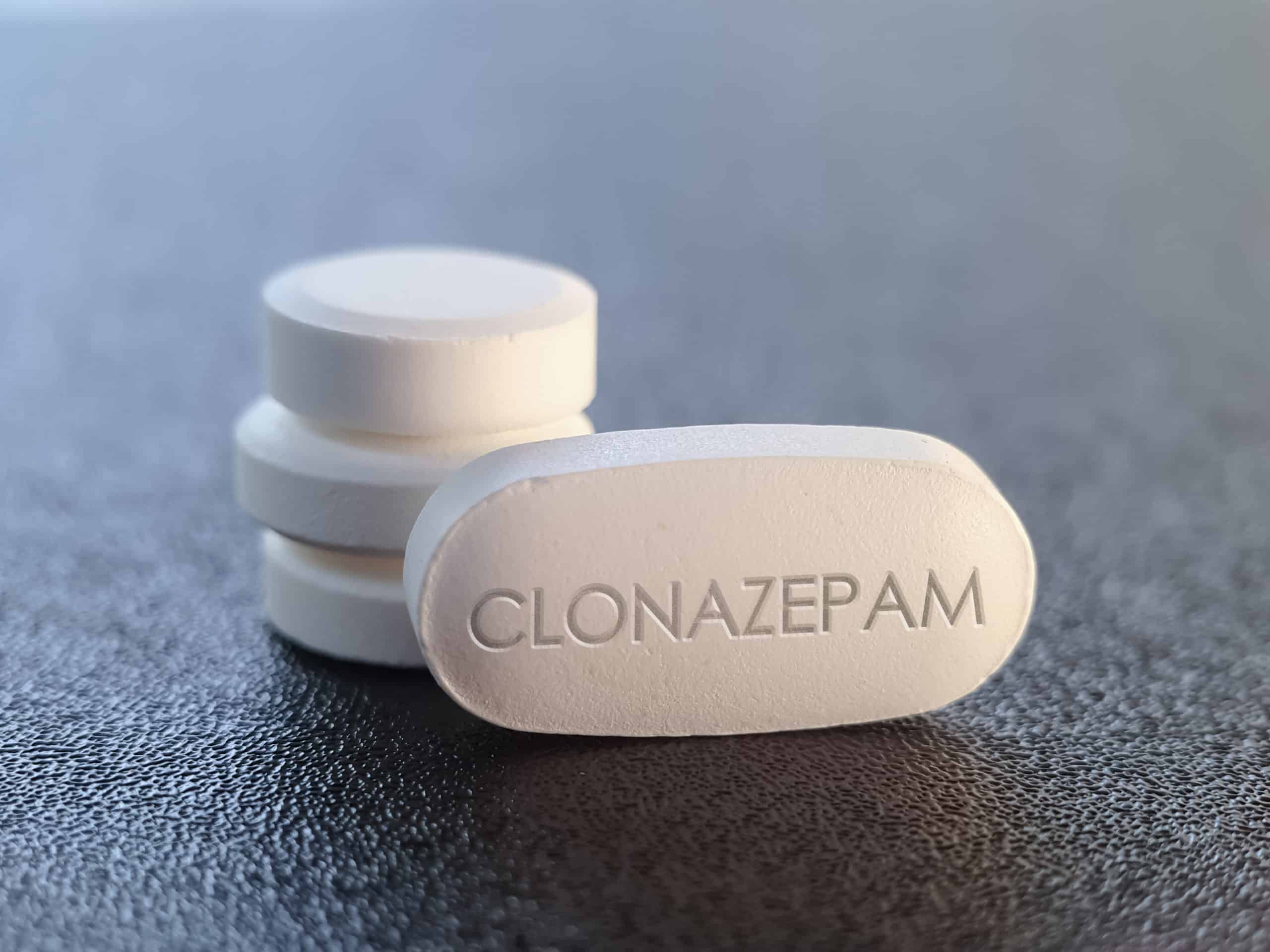
Klonopin is the brand name of the drug Clonazepam. The different types of Clonazepam drugs are in a category of drugs known as benzodiazepines or “benzos.” These drugs are used to treat a variety of conditions, from mood disorders to seizures, and as such, the effects on the body and the reactions vary by drug. 

In the case of Klonopin, it is used to treat seizures and epileptic episodes as well as panic attacks and other disorders in combination with other drugs. It does this by calming the reactions in the brain that lead to seizures. It can also be used to calm the nerves, affecting the central nervous system to reduce panic attacks and other conditions. 

Because of the nature of these types of drugs, they are rarely prescribed outside of treatment for particular conditions, and the effects on people without these conditions can be quite severe.  

Is Klonopin Addictive? 

Like most drugs, Klonopin possesses the potential to be addictive if misused or used over a long period. In particular, Klonopin is addictive because, over time, it alters the chemistry of the brain and the central nervous system, causing a person to become chemically dependent on the drug to function or receive the desired effects. 

The physical signs of Klonopin addiction include: 

  • Headache 
  • Slurred speech 
  • Insomnia 
  • Anxiety 
  • Feeling sick or fatigued

These signs are often accompanied by other behavioral changes as well. A person addicted will typically use more of the drug than is necessary or continue using it long after the prescribed duration. If they no longer have access to the drug, they will often resort to illicit or illegal means to obtain more to continue using. 

They will also experience social changes as well such as neglecting work or family responsibilities, becoming detached or withdrawn from everyday activities, even things that once brought them joy. 

How to Get Help With a Klonopin Addiction Today 

The first step to getting help is realizing that you or a loved one have an addiction. Once this has happened, it’s time to contact a licensed treatment facility to get the professional help needed to get clean and stay on the path to sobriety. 

Hillside Mission Recovery offers luxury inpatient rehab care in a calming and relaxing environment where the client is free to get the care they need without worrying about the outside world. 

Each program begins with an evaluation of the individual client and their specific needs. Afterward, the person is moved to our medically supervised detox before going on to the full treatment plan that combines various types of therapies to identify the root causes of the addiction and get the client to a place where they no longer feel the need to use drugs. 
If you or someone you know is suffering from a Klonopin addiction, contact Hillside Mission Recovery today!

Does My Wife Have a Drinking Problem?

Does My Wife Have a Drinking Problem?

Millions of Americans deal with substance and alcohol abuse problems every day. Addiction is a disease that controls the lives of many of these people until they can get the help they need to get clean and sober. When you have a spouse with an addiction, it can be even more challenging to get someone the support they need or even recognize that they even have a problem. Knowing what to look for is the first step to determining if your wife or partner has a drinking problem. 

At Hillside Mission Recovery, we know how addictive relationships with an addicted partner can be, and we believe in getting everyone the help they need and deserve. In this post, we will discuss the signs to look out for if you are asking the question, “does my wife have a drinking problem?”. We’ll also discuss why alcohol is addictive and how to get your wife the help they need if they are indeed addicted to alcohol. 

Is Alcohol Addictive? 

If you’re concerned that your wife may have a drinking problem, it is important to understand how addictive alcohol is. It is one of the most addictive substances in America and is consumed by millions every day. 

Alcohol comes in a variety of forms and, in most cases, is entirely legal. This makes it hard to control how much someone consumes or if they have a problem. Part of the reason that alcohol is addictive is because of the way that it reacts with the body. 

Alcohol is considered a depressant, meaning it slows down systems in the body, including thinking and reaction time. It also lowers the body temperature. If alcohol is consumed in excessive amounts can make it difficult for the liver and kidneys to function properly. 

The other reason that alcohol is addictive is due to the feeling it causes when consumed. It often lowers inhibitions and makes a person more social and interactive. 

Does My Wife Have a Drinking Problem? 

Answering the question “does my wife have a drinking problem” is not easy because spouses have a special relationship, making the signs of addiction much more difficult to detect. 

It helps to understand the primary symptoms of alcohol addiction. These include overconsumption, slurred speech, changes in behavior, lack of self-control, and even blackouts or memory loss. A person may begin to prioritize drinking over life responsibilities like work and family. 

These symptoms are common, but in a relationship, there are other signs to look out for as well. Your wife may try to hide their addiction by engaging in behavior to cover up their drinking or lying about the amount they consume or whether or not they have a problem. They may become distant and resort to drastic or even illegal means to support their addiction. This is often accompanied by shame and disappointment that drives their actions. 

How to Get Someone Help With an Alcohol Addiction Today 

The first step to getting someone the help they need is to get them to admit they have a problem with drinking. Even if it is your wife, they still need professional help to overcome their addiction. Once this happens, the next step is to seek treatment at a licensed addiction recovery center like Hillside Mission Recovery. 

Our inpatient recovery facility works by giving clients a safe space to recover from addiction with the assistance of a caring and trained staff. The process begins with an individual evaluation and detox. Once detox is complete, the treatment phase begins. This may include several types of therapies. Once treatment is complete, the client will have access to several different aftercare services so that they may continue on their road to recovery and lessen the chances of relapse. 
If you believe your wife is suffering from alcohol addiction, contact Hillside Mission Recovery today.

Why Drug or Alcohol Addiction is a Chronic Relapsing Illness

Why Drug or Alcohol Addiction is a Chronic Relapsing Illness

Even though many Americans are in recovery today and many more are battling addiction and trying to get sober, it continues to be a constant struggle that goes on for the rest of their lives in most cases. Unfortunately for people who don’t know what addiction is like, they often fail to understand the true nature of addiction, how it affects people and why it is a lifelong struggle for many, even those in recovery. 

At Hillside Mission Recovery we don’t just believe in treating our clients and helping them to get on the path to sobriety, but changing their way of life and the way of life of those around them by giving them the tools they need to understand and cope with addiction and its consequences. This also means helping those with a loved one battling addiction to understand the true nature of addiction. In this post we will explain what drug or alcohol addiction is, why drug or alcohol addiction is a chronic relapsing illness, and how to get help with addiction today. 

What Is Drug or Alcohol Addiction? 

Drug or alcohol addiction is most often characterized by a need to use drugs or alcohol regardless of the effects on the body or the consequences of continued use. The way this use begins and proceeds to addiction can vary from person to person and the substance they use, but there are some basic principles that define addiction. 

In medical terms, addiction is a physiological and psychological need to use drugs and alcohol regardless of the effects that it has on the person using it. It is more than just a choice to use or a simple compulsion however, as the brain chemistry and even body chemistry of the person using becomes altered over time and with continued use to where they become chemically dependent on the drug in order to function normally. 

This leads to a variety of consequences that the person addicted can face. Drug or alcohol addiction is often accompanied by physical side effects like nausea, vomiting, inability to focus, depression, mood swings, and other disorders. They also will often withdraw from family and friends due to the drug use and may feel a sense of guilt or shame. Over continued use, they will prioritize using drugs or alcohol over their own safety and may even risk illegal behavior to acquire the substance. 

Why Drug or Alcohol Addiction Is a Chronic Relapsing Illness 

One of the hardest things for non-addicts to understand is that addiction is a lifelong problem, even after recovery. The short answer is that addiction is a disease that former drug or alcohol users continue to deal with. Addiction does not end once they complete treatment. While getting sober is possible with  the right help, there is still the possibility of relapse because many people begin using for a  variety of reasons and any one of these reasons could trigger a relapse. 

While the chemical dependence on drugs or alcohol may end, it is difficult to prevent all the possible reasons why a person may use it in the first place. This means that it is a constant struggle to get clean and stay that way with a variety of mental and physical stressors to deal with. 

How To Get Help With Addiction Today 

The best way to get help with an addiction and maximize chances of a successful recovery is by going to a treatment facility like Hillside Mission Recovery. At our facility, clients can undergo personalized treatment by our medically trained expert staff while they learn what they need to stay sober for the long term. 

From our luxurious inpatient rehab center to our personalized treatment plans, we offer our clients the best chance at getting and staying sober. If you or someone you know is struggling with drug or alcohol addiction and wants help getting sober, contact Hillside Mission Recovery today. 

How To Get Someone Into Rehab

How To Get Someone Into Rehab

Millions of people deal with addiction every day. The trouble is that there are many factors that affect how and why they use drugs. Figuring out whether or not your loved one has an addiction can be difficult and if they do, figuring out how to get someone into rehab can be equally as challenging. There are several things to understand before you can get a loved one to admit they have an addiction and get them to go into rehab. 

At Hillside Mission Recovery we know just how difficult it is to deal with addiction for both clients suffering from addiction and their loved ones that are trying to understand just what addiction is and how to get their loved ones the help they need to get clean and sober and stay that way. There is no simple answer to the struggle of addiction, but in this post, we will talk about what addiction is and how to get someone into rehab if they are dealing with an addiction. 

Signs Your Loved One Is Struggling With Addiction

For someone who has never dealt with addiction, it can be very hard to recognize the signs that their loved one has an addiction. As such, these signs and symptoms can go unnoticed for a long period of time. It is important to notice these signs before it is too late or else your loved one’s health may be in danger. 

The most common signs of addiction begin with withdrawing from life responsibilities. They may neglect taking care of things they used to, show up to work high or drunk, or even neglect friends and family altogether. 

The more addicted a person is, the more they will develop behaviors that center around the substance they are abusing. They will continue to use drugs or alcohol regardless of the effect that it has on them physically, mentally, or socially. 

Addiction makes it so that a person is chemically dependent on the substance. When a person who is addicted stops using, they enter what is known as withdrawal, which is the physical side effects of a drug leaving a person’s body. These side effects can even be life-threatening, which is an important reason why properly detoxing is so important in the treatment process. 

Changes in mood are also common in people suffering from addiction. They will often become withdrawn or depressed and will likely take action to try and hide their addiction. People suffering from addiction often feel shame at their addiction as well. This can be part of the reason why they neglect to seek help for their addiction. 

How To Get Someone Into Rehab

The first step in trying to get someone into rehab is getting them to admit they have a problem and need to seek treatment. Once they agree to get help, the next step is to find the right treatment center for their unique addiction. The only way to truly recover from addiction is at a licensed medical facility. 

Hillside Mission Recovery offers luxurious inpatient treatment options to our clients that give them a calming and relaxing environment from which to get the treatment they need to get sober and stay that way. 

Each client is given an individualized treatment plan that caters to their individual needs for their addiction. From detoxification to counseling and treatment, to aftercare programs like community groups, 12 step programs, and sober living options. 

The goal of rehab is not just to get the person clean of drugs, it is to give them the tools to cope with the causes of addiction in the first place. Many times outside factors like daily life stressors, work, and responsibilities are part of what contributes to addiction. If you know someone suffering from addiction, contact Hillside Mission Recovery today! 

How to Detox From Xanax

How to Detox From Xanax

There are hundreds of drugs that are prescribed to patients every day, but most of them have the potential to become addictive even when we use them properly. The trouble is, it can be difficult to know what to do about addiction and what the proper steps should be to get clean. Dealing with addiction is a delicate process that requires the right type of treatment from a licensed treatment facility, but it helps to know what type of drug you’re dealing with and what the steps to treatment are in order to get the right kind of help. 

At Hillside Mission Recovery we know the value of having all the information you need when you or a loved one decides to get treatment for their addiction. Each and every drug addiction is different and so are the effects of that addiction on the individual. In this post we will look at the prescription drug Xanax, what it is, why it is addictive and how to detox from Xanax as well as what to do afterward. 

What Is Xanax? 

Xanax is the brand name of a drug known as Alprazolam. Alprazolam is in a class of drugs known as benzodiazepines. The drug is used to treat a number of different medical issues including most notably the treatment of anxiety. Xanax is one of the most highly prescribed anxiety medications in the country, making it easily accessible for those that wish to use the drug even for illicit purposes. 

Apart from anxiety, Xanax is also used to treat issues like stiffness, muscle spasms, and even seizures as part of a combination treatment plan. Because of the many uses of Xanax, it can be difficult to tell if a person is using the drug as prescribed or if they have become addicted. 

Why Is Xanax Addictive? 

Like most drugs, Xanax is addictive because it acts on the body in some way. In the case of Xanax specifically, it alters the chemistry of the brain. The reason that this makes drugs addictive is that over time, the changes that occur in the body, the nervous system, or the brain, make a person resistant to the effects of the drug. This means they have to take more of the drug to produce the desired effect. 

This is coupled with the fact that over prolonged use, a person’s body becomes chemically dependent on the drug to where if they stop using, they face withdrawal symptoms that can at times be life-threatening. This is the main reason why it is never a good idea to try and quit using any kind of drug cold turkey. The proper way to quit using drugs is through detox. 

How to Detox From Xanax 

Detox is an important step on the path of recovery and knowing how to detox from Xanax is equally important. Detoxing involves stopping using the drug and letting it get out of a person’s system. While it may be tempting to try and detox at home, this is never a good idea for several reasons. 

Firstly, detoxing at home is very dangerous due to the side effects of withdrawal and the potential for even life-threatening medical complications. While withdrawal symptoms can vary wildly, there is the possibility of severe complications. Secondly, a person who tries to detox at home is much more likely to relapse and start using again due to the cravings and the urge to relieve the pain of withdrawal. 

The proper way to detox from Xanax is to do so at a licensed treatment facility where the client can be supervised by a medically trained staff. This way their health and safety can be monitored and the person has a much greater chance at getting clean and sober. 

What To Do After You Detox From Xanax 

The next step after you detox from Xanax is to continue with a prescribed treatment plan like the individualized plans we provide here at Hillside Mission Recovery. Detox is only the first step in the recovery process. Once the detox is completed, the client enters our inpatient treatment program where they receive services designed to help them identify the cause of their addiction. 

Treatment also includes counseling on how to deal with the factors that led to addictions and how to return to a normal life without drugs. Once the treatment plan is complete, clients typically transition back to a normal life. However, we also offer aftercare services like 12-step programs and mentoring to help people struggling with addiction stay clean and sober for the long term. 

If you or someone you know is addicted to Xanax, contact Hillside Mission Recovery today. 

Why You Should Go to Valium Detox Today

Why You Should Go to Valium Detox Today

Millions of people become addicted to drugs every year, sometimes to illegal substances and sometimes accidentally due to prescription medications. It’s important once you or a loved one has become addicted to drugs to know what to do to get sober. Each and every drug is different and the symptoms of addiction that go along with it are different as well. Understanding the specifics of the drug that the person is addicted to will help with the process to get sober. 

At Hillside Mission Recovery we believe in giving our clients all the information they need to maximize their chances for recovery. In this post we discuss the drug valium and why it is important if you become addicted to valium to go to valium detox today. 

What Is Valium? 

Valium is a commonly prescribed medication primarily used as an anti anxiety drug. It belongs to a class of drugs known as benzodiazepines. These drugs most often work by either enhancing or inhibiting the function of certain neurotransmitters in the brain.  

Valium is also prescribed for a number of other medical issues including alcohol withdrawal, muscle spasms, stiffness, and in combination with other drugs to treat seizures. 

The generic name for the drug is diazepam and it can come in a variety of forms and strengths depending on the intended use. This is what makes it difficult to determine whether a person is using valium or not. In many cases, a person is prescribed this drug to treat a persistent issue which then leads to long term use. 

Drugs like valium that act on the neurotransmitters of the brain have a tendency to have side effects as well so there is some risk associated with taking the drug, particularly if the user has certain medical conditions. 

Is Valium Addictive? 

Like most drugs that interact with the body in some way, valium is indeed addictive. In fact, because it acts directly on the brain, there is a high likelihood that valium can become addictive, especially over prolonged use. 

The trouble with valium is that addiction often occurs unexpectedly because a person is prescribed the drug to treat a legitimate issue. Over time the body develops a tolerance to the drug that requires the person to take more of it to see the same effects. As the dosage increases, so too does the dependency until ultimately the person becomes addicted. Once addicted, the person may begin to use the drug in manners in which it was not intended, exceeding their assigned dosage and changing their behavior as a result. 

There are several physical warning signs that a person is abusing valium as well. Some of these symptoms include: 

  • Slurred speech 
  • Dilated pupils 
  • Change in appetite
  • Inability to  focus or concentrate 
  • Alterations in general mood 

While these symptoms are specific to valium, a person addicted may also exhibit more common signs of addiction. 

Common signs of addiction include withdrawing from life responsibilities, social circles, and family or friends. Persons addicted to drugs may also engage in negative behavior in order to obtain the drugs and this may get them in trouble. 

Why You Should Go to Valium Detox Today 

The first step to getting clean and sober is realizing there is a problem and deciding to get treatment at a licensed treatment facility. This can be a difficult part of the process because persons addicted may feel ashamed or embarrassed that they have an addiction. 

Once a person agrees to get treatment, the next step is to go to a facility for detox. Detox at a safe medically supervised facility is the best way to get clean of valium and minimize the risk for side effects and the potential for relapse. 

At Hillside Mission Recovery we provide luxury inpatient recovery for our clients that begins with an evaluation, followed by detox, and then a personalized treatment plan. Without detox and individualized care, a person is much more likely to continue using. We know that recovery is hard, but with the right treatment, the odds of success are much greater that a person can not only get sober but stay sober for the long term. 

Signs of Addict Behavior in Relationships

Signs of Addict Behavior in Relationships

Millions of people everyday deal with the struggle of addiction. The trouble is that many people in relationships may not recognize addict behavior when it happens and this can make continuing to be in a relationship with that person extremely difficult and painful. Addict behavior in relationships can sometimes take on different forms and be harmful to both parties involved. In the worst cases, one person may cause the other person to be addicted as well. 

It is only natural to want to protect your loved one and do the best that you can to help your relationship as well. Doing that means understanding the signs of addict behavior in your relationship and knowing what to do about them. At Hillside Mission Recovery we want to give our clients all the tools they need to deal with addiction in its many forms and get on the path to recovery. 

What Are the Signs of Addiction? 

Understanding the signs of addiction will help you better understand the behavior of your loved one. 

When it comes to addiction, there are several sets of signs that can manifest in different ways depending on the individual. They are generally divided into behavioral or mental issues and physical issues. 

Behavior issues typically manifest as changes in mood and inability to focus on day-to-day tasks in favor of using drugs. They may neglect social ties, work, and other responsibilities. They may even suffer more significant changes in mood and behavior such as anxiousness and depression. 

Physical symptoms can range from everything from intense cravings, nausea, and headaches, to full-on withdrawal symptoms from not using for a period of time. Some physical symptoms can be severe or even life-threatening so it’s important to monitor your loved one if they seem unhealthy. 

What Are the Signs of Addict Behavior in a Relationship?  

When in a relationship with someone, the signs can manifest differently and affect the relationship in a number of ways. 

One of the main behaviors that occur when an addict is in a relationship is manipulation. They may use the feelings of their partner and those around them to hide the fact that they are addicted to drugs or alcohol. This is often easier in a relationship because loved ones want to believe that the other person is ok and not in need of help. 

If manipulation doesn’t work, they may resort to lying and hiding their behavior as best as possible. They may even resort to shifting the blame onto other people and causes in order to avoid the fact that they are suffering from addiction. It can be very difficult for someone who is an addict in a relationship to admit that they need help, for fear of letting their partner down. 

How to Get My Loved One Help With Their Addiction 

The first step to getting your loved one help with their addiction is to recognize the signs of addict behavior in a relationship and know that the only way to help them is by getting them treatment at a licensed addiction treatment facility. 

Hillside Mission Recovery is a luxury inpatient treatment facility with a dedicated staff that helps each client with their individual addiction. Treatment begins with an assessment from our medical professionals before moving on to detox. Once detox is complete, the client’s stay in our facility begins, where we focus on finding the root cause of addiction and giving clients the tools they need to get and stay sober. When treatment is complete our clients are ready to return to a life free of addiction, but we provide access to aftercare services to ensure the best odds of success.